
Drawing Room Interior Design: Complete Guide for a Stylish Living Space
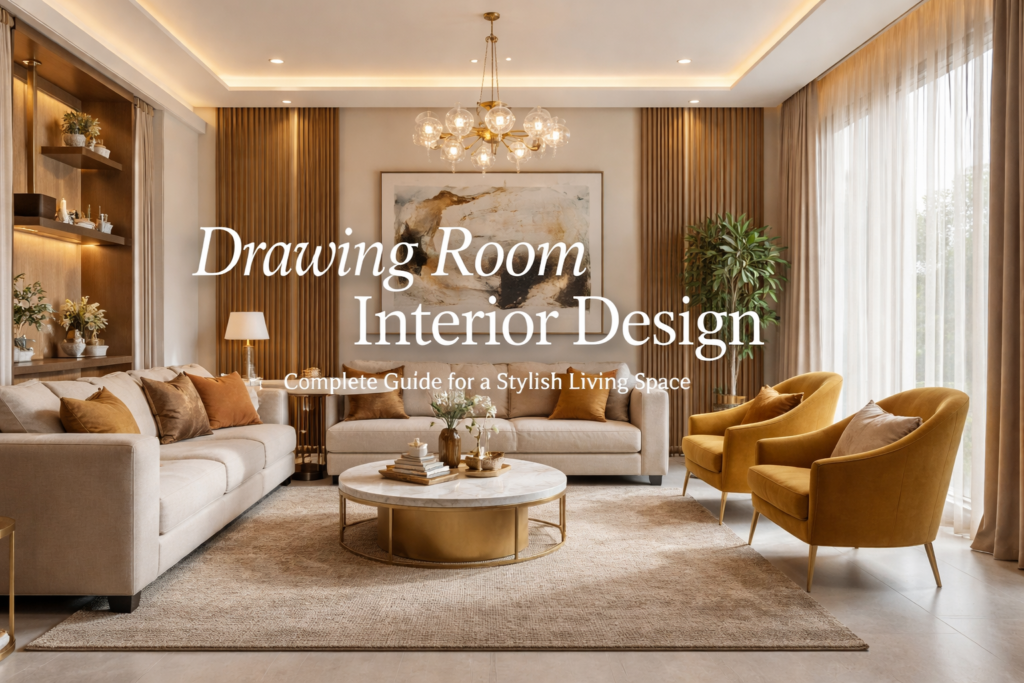
The drawing room is more than just a seating area. It is the first impression of your home, a reflection of your personality, and the space where guests gather, conversations flow, and memories are created. Thoughtful drawing room interior design balances aesthetics with comfort, ensuring the space feels welcoming yet refined. Whether you are designing a new home or renovating an existing one, understanding layout, furniture placement, lighting, materials, and styling principles can transform an ordinary living area into a stylish and functional masterpiece. Why Drawing Room Interior Design Matters A well-designed drawing room sets the tone for the entire house. Since it is usually located near the entrance, it becomes the visual introduction to your home’s character. Good design ensures: Efficient use of available space Comfortable seating arrangement Balanced lighting Cohesive color palette Functional circulation When these elements align, the result is a living space that feels both elegant and practical. Step 1: Understanding the Layout Before selecting furniture or décor, start with space planning. The layout determines how the room functions and how comfortable it feels. Consider Room Shape and Size Rectangular rooms benefit from linear seating arrangements. Square rooms allow symmetrical layouts. Compact rooms require multi-functional furniture. Large rooms can accommodate zoning with rugs and lighting. Proper drawing room interior design always begins with analyzing natural light, entry points, window placement, and circulation paths. Maintain Clear Movement Flow Ensure at least 2.5–3 feet of walking space between furniture pieces. Avoid blocking windows or creating cramped pathways. Step 2: Choosing the Right Color Palette Color dramatically influences mood and perception of space. Popular Choices Neutral tones (beige, ivory, grey) for timeless elegance Earthy shades for warmth Pastels for airy and modern appeal Bold accent walls for statement design In smaller spaces, lighter tones enhance openness. Darker shades work beautifully in spacious rooms with ample natural light.A cohesive palette across walls, furniture, and accessories strengthens overall harmony. Step 3: Selecting Functional and Stylish Furniture Furniture defines comfort and visual impact. Sofa SelectionThe sofa is the focal point. Consider: Fabric durability Seating depth Frame strength Scale relative to room size L-shaped sofas work well in corner layouts, while a 3+2 arrangement suits larger drawing rooms. Accent Chairs Accent chairs add character and break monotony. They can introduce texture or color contrast. Coffee Tables Choose based on functionality: Wooden for warmth Glass for visual lightness Marble for luxury In compact spaces, nesting tables offer flexibility. Step 4: Lighting Design Strategy Lighting is often underestimated in drawing room interior design. A layered approach creates balance. Three Types of Lighting Ambient Lighting – Ceiling lights or chandeliers Task Lighting – Reading lamps or side lamps Accent Lighting – Wall washers or spotlights Warm white lighting creates comfort, while cool lighting suits modern themes. Consider dimmers to adjust brightness based on mood and occasion. Step 5: Wall Treatments and Feature Elements Walls offer opportunities for creative expression. Textured paint finishes Wallpaper accents Wooden paneling Stone cladding Decorative moldings Avoid overcrowding walls with excessive décor. Strategic placement maintains sophistication. Step 6: Flooring and Rugs Flooring anchors the room’s character. Popular Flooring Options Vitrified tiles for durability Wooden flooring for warmth Marble for premium appeal Rugs define seating zones and add softness. Ensure the rug extends under at least the front legs of sofas to maintain proportion. Step 7: Curtains and Window Treatments Curtains influence both aesthetics and functionality. Sheer curtains enhance brightness Blackout curtains provide privacy Layered curtains create luxury appeal Mount curtain rods slightly above window frames to give an illusion of height. Step 8: Storage Without Clutter Modern drawing room interior design prioritizes clean aesthetics. Smart Storage Ideas TV units with concealed storage Wall-mounted cabinets Built-in shelves Minimal display units Clutter-free surfaces make the room feel larger and more refined. Step 9: Decorative Styling Accessories personalize the space. Essential Décor Elements Artwork Indoor plants Sculptures Mirrors Cushions and throws Use the “less is more” principle. Choose meaningful pieces instead of overcrowding.Mirrors can visually double space in compact drawing rooms. Step 10: Designing for Different Home Sizes Small Drawing Room Light color palette Multi-functional furniture Wall-mounted storage Minimal décor Medium-Sized Drawing Room Defined seating clusters Balanced lighting layers Subtle feature wall Large Drawing Room Zoning with rugs Multiple seating arrangements Statement chandelier Art gallery wall Modern Trends in Drawing Room Interior Design Keeping up with design trends ensures contemporary appeal. Minimalist Interiors Biophilic design brings nature indoors, helping create a refreshing and relaxing atmosphere. Incorporating indoor plants, natural textures, stone finishes, and wooden elements can dramatically improve the warmth and visual appeal of the space. Large windows, natural light, and earthy color palettes further strengthen the connection between the indoors and nature. Biophilic Design Biophilic design brings nature indoors, helping create a refreshing and relaxing atmosphere. Incorporating indoor plants, natural textures, stone finishes, and wooden elements can dramatically improve the warmth and visual appeal of the space. Large windows, natural light, and earthy color palettes further strengthen the connection between the indoors and nature. Statement Lighting Lighting has become a key focal point in modern drawing rooms. Designers are increasingly using oversized pendant lights, sculptural chandeliers, and artistic lighting fixtures to add personality and visual drama. Statement lighting not only enhances the room’s ambience but also acts as a decorative centerpiece. Sustainable Materials Sustainability is gaining importance in interior design. Many homeowners now prefer eco-friendly materials such as recycled wood, sustainable fabrics, bamboo, and low-VOC paints. These materials reduce environmental impact while adding a natural and elegant aesthetic to the drawing room. Smart Technology Integration Modern homes are increasingly incorporating smart technology for convenience and efficiency. Features like automated lighting systems, hidden wiring, smart speakers, motorized curtains, and climate control allow homeowners to manage their living spaces effortlessly while maintaining a sleek and uncluttered interior design. Common Mistakes to Avoid Oversized furniture in small rooms Poor lighting planning Ignoring ventilation Too many color combinations Random furniture placement Professional planning ensures balance and longevity. Budget Planning for Drawing Room Interior Design Budget allocation depends
Modern Single Floor House Design: Layout Ideas, Elevation & Planning Guide
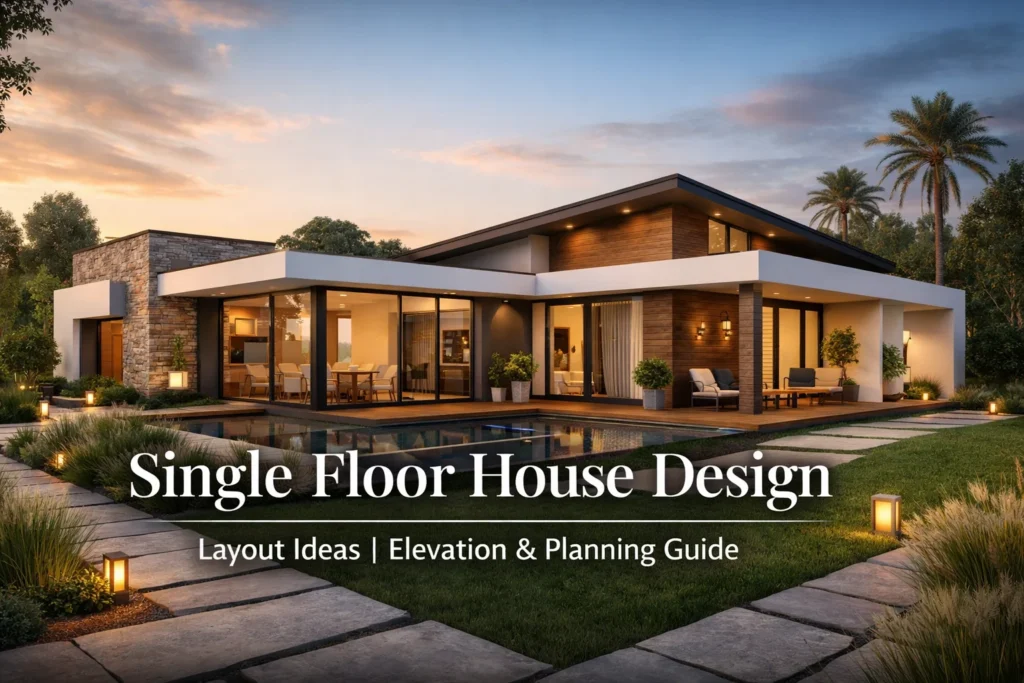
A well-planned and modern single floor house design offers simplicity, comfort, and timeless appeal. For modern families, single-level living provides better accessibility, efficient space utilization, and a seamless flow between rooms. Whether built on a compact urban plot or a spacious suburban site, a thoughtfully designed single floor home can deliver both aesthetic elegance and functional excellence. With increasing demand for practical homes across India, many homeowners are now choosing a single story house design that balances modern architecture with everyday convenience. This complete guide explores layout ideas, elevation concepts, planning essentials, and expert insights to help you design the perfect 1 floor house design. Why Choose a Single Floor House Design? A single floor house design is ideal for: Families with elderly members Homes with young children Compact plots Budget-conscious construction Better indoor-outdoor connectivity Unlike multi-level homes, a single story house design eliminates the need for staircases, making circulation smoother and safer. Maintenance is also easier, and construction costs are often more controlled compared to duplex homes. Key Planning Principles for Modern Single Floor House Design Proper planning determines the long-term comfort and usability of any home. When designing a 1 floor house design, architects focus on: 1. Zoning and Spatial Flow Divide the layout into: Public areas (living, dining) Private areas (bedrooms) Service areas (kitchen, utility) Efficient zoning ensures privacy while maintaining smooth movement throughout the house. 2. Natural Light and Ventilation Single floor homes offer better opportunities for cross-ventilation. Large windows, courtyards, and skylights enhance comfort and reduce energy consumption. 3. Future Flexibility A good single floor house design allows room for: Future vertical expansion Additional rooms Landscape modifications Planning structural strength in advance ensures flexibility without major reconstruction later. Layout Ideas for Different Plot Sizes 1. Small Plot (900–1350 sq. feet) Ideal layout includes: Compact living area Open kitchen-dining layout 2 bedrooms 1 common washroom In smaller homes, an open-plan single story house design creates a spacious feel without increasing built-up area. 2. Medium Plot (1350–2250 sq. feet) A balanced 1 floor house design may include: Separate living and family lounge 3 bedrooms 2–3 bathrooms Utility area Small courtyard Courtyard concepts enhance natural lighting and bring a modern yet traditional touch. 3. Large Plot (2250+ sq. feet) Luxury modern single floor house design options: 4 bedrooms with attached baths Formal and informal living areas Home office Walk-in wardrobes Landscaped front lawn A large single story house design can create a villa-like experience while keeping everything accessible on one level. Elevation Ideas for Modern Single Floor House Design The elevation defines the external personality of the home. Even a simple 1 floor house design can look striking with thoughtful façade treatment. 1. Modern Minimalist Elevation Clean horizontal lines Neutral color palette Glass and metal elements Flat roof style This style is popular for urban homes and contemporary families. 2. Contemporary Indian Elevation Stone cladding accents Textured paint finishes Wooden panels Subtle lighting highlights This single floor house design style blends modern architecture with regional aesthetics. 3 .Traditional-Inspired Elevation Sloped roofs Columns Decorative railings Earth-tone finishes A single story house design with traditional elements creates timeless appeal, especially in semi-urban and suburban areas. Vastu Considerations for Single Floor House Design For Indian homeowners, Vastu compliance is often essential.Key principles: Main entrance in north or east direction Kitchen in southeast Master bedroom in southwest Toilets in west or northwest Integrating Vastu planning into the layout enhances buyer confidence and long-term satisfaction. Cost Considerations for 1 Floor House Design Construction cost depends on: Plot size Material selection Structural system Elevation detailing Interior finishes Generally, a single floor house design reduces: Staircase construction cost Structural complexity Maintenance expenses However, larger foundation requirements may slightly increase base cost compared to vertical structures. Common Mistakes to Avoid When planning a single story house design, avoid: Design Features Ignoring natural ventilation Poor zoning between public and private areas Overcomplicating the elevation Insufficient storage planning No future expansion planning A well-designed 1 floor house design should feel open, balanced, and future-ready. Modern Trends in Single Floor House Design Today’s homeowners prefer: Open kitchen concepts Indoor-outdoor living spaces Sliding glass doors Smart home integration Energy-efficient materials Modern single story house design focuses on minimalism, sustainability, and practical elegance. Conclusion A modern single floor house design offers accessibility, comfort, and timeless architectural value. Whether designing a compact urban home or a spacious modern villa, smart layout planning and refined elevation treatment make all the difference. Choosing the right architect ensures your single story house design is not just visually appealing, but structurally sound, future-ready, and aligned with your lifestyle goals. About Sarab Marwah Sarab Marwah – Best Architect in Tricity Sarab Marwah is recognized as one of the leading architects in the Tricity region (Chandigarh, Mohali, and Panchkula), known for delivering thoughtful, functional, and modern design solutions. With a strong focus on space optimization and architectural clarity, he transforms concepts into well-executed residential and commercial spaces. His design approach blends creativity with practical planning to create timeless, livable environments. Every project reflects precision, innovation, and a deep understanding of client needs. Contact Sarab Marwah Facebook Instagram Linkedin Pinterest
7 Modern Under Stairs Design Ideas That Transform Dead Space Into Functional Architecture
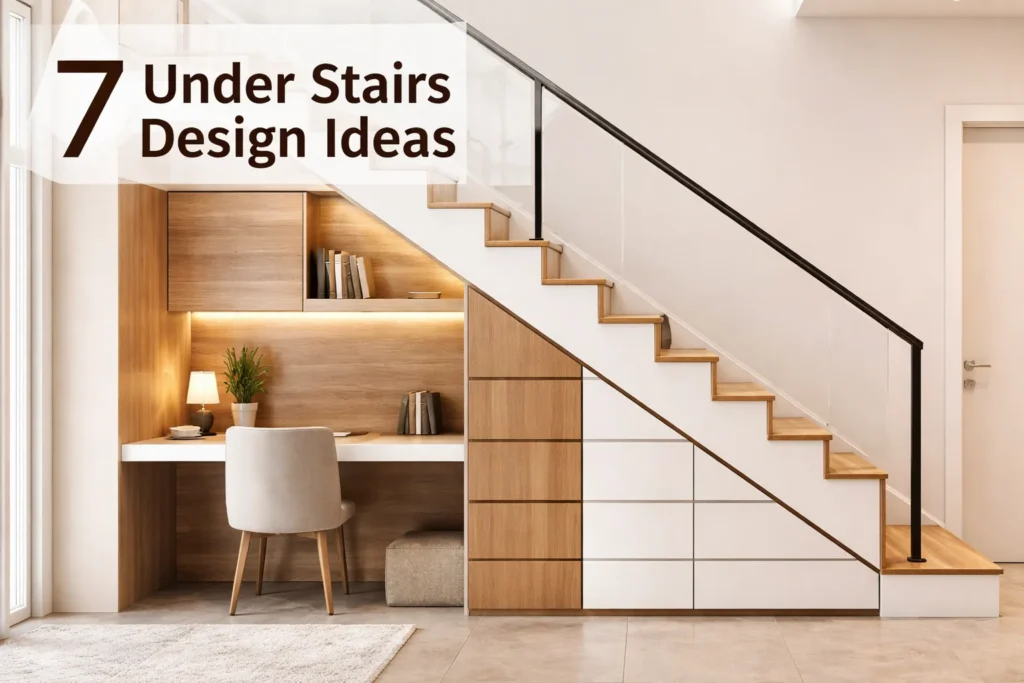
In contemporary residential architecture, space efficiency is no longer optional—it is essential. As homes become more compact and lifestyles more dynamic, architects are expected to extract maximum value from every square foot. One of the most underestimated yet powerful opportunities lies in the space beneath the staircase. A thoughtfully planned modern under stairs design can redefine dead space and convert it into a functional, visually engaging architectural element. Rather than leaving it unused or cluttered, architects today integrate storage, work zones, relaxation corners, and even service areas under staircases—without compromising structural clarity or aesthetic balance.This blog explores 7 modern under stairs design ideas that transform neglected spaces into purposeful architecture, combining practicality, modern design thinking, and long-term usability. The Architectural Importance of Under-Stairs Design From a design perspective, staircases are strong visual and structural components. The area beneath them often has irregular geometry, varying head heights, and load-bearing constraints—making it challenging but rewarding to design. A well-executed under stairs design: Enhances spatial efficiency Improves circulation and flow Reduces visual clutter Adds functional zones without expanding the footprint Reflects the architect’s attention to detail For modern homes, especially duplexes, villas, and apartments, these spaces play a critical role in optimizing layouts and improving everyday living. 1. Built-In Under Stairs Storage Design Storage is one of the most practical and universally applicable under stairs design solutions. When designed as part of the architecture rather than an afterthought, it blends seamlessly into the interior. Design Features Integrated TV units Hidden wiring and cable management Storage for accessories and consoles Balanced proportions Architectural Insight Care must be taken to ensure the staircase does not interfere with viewing comfort or acoustics. When done right, this under stairs design creates a strong focal point while maintaining functional flow. 2. Home Office Under Stairs Design for Modern Lifestyles work-from-home becoming a long-term reality, architects are increasingly incorporating compact workspaces within overlooked zones. A home office is one of the most effective modern design under stairs solutions. Key Planning Considerations Comfortable seating height Adequate headroom at desk level Focused task lighting Power points and data access Proper ventilation Key Planning Considerations This under stairs design allows homeowners to work efficiently without dedicating an entire room. It also keeps workspaces discreetly integrated, maintaining the overall spatial balance of the home.Neutral finishes, minimal shelving, and integrated lighting help maintain a professional yet unobtrusive presence. 3. Reading Nook Under Stairs Design A reading nook introduces warmth and emotional comfort into an architectural layout. It is one of the most popular and modern decorating ideas for under stairs spaces in family homes. Design Elements Built-in seating with soft cushions Concealed storage beneath seating Warm ambient lighting Bookshelves or wall niches Where It Works Best This under stairs design allows homeowners to work efficiently without dedicating an entire room. It also keeps workspaces discreetly integrated, maintaining the overall spatial balance of the home. Homes with children Duplex apartments Villas with informal living areas From an architectural standpoint, this under stairs design humanizes the space, adding a layer of personal connection and usability while maintaining visual harmony. 4. Open Display and Feature Wall Under Stairs Design Not all under stair spaces need to be enclosed. Open display concepts can elevate the visual identity of interiors, especially in homes with open staircases. Display Options Floating shelves Art niches Sculptural elements Indoor plants or vertical greens Design Considerations Proportion and scale Lighting placement Visual continuity with the staircase This approach transforms the under stair area into an architectural feature, enhancing the spatial narrative of the home rather than merely filling space. 5. Powder Room or Washroom Under Stairs Design In larger residences, converting the under stair space into a compact powder room is a highly functional decision. Planning Requirements Minimum head height clearance Plumbing and drainage feasibility Mechanical ventilation Moisture-resistant materials Benefits Improves convenience for guests Reduces pressure on main bathrooms Optimizes overall floor planning When executed thoughtfully, this under stairs design demonstrates technical expertise and efficient space utilization—key markers of professional architectural practice. 6. Entertainment Unit or Media Wall Under Stairs Design In open-plan living areas, the under stair space can be transformed into a media unit or entertainment wall. Design Features Integrated TV units Hidden wiring and cable management Storage for accessories and consoles Balanced proportions Architectural Insight Care must be taken to ensure the staircase does not interfere with viewing comfort or acoustics. When done right, this modern under stairs design creates a strong focal point while maintaining functional flow. 7. Multi-Functional Under Stairs Design for Future Flexibility The most advanced under stairs design solutions are those that evolve with time. Multi-functional spaces offer flexibility without structural changes. Examples Seating combined with storage Study zones with shelving Display units with concealed cabinets Why This Matters Homes evolve as families grow and lifestyles change. Designing adaptable spaces ensures long-term relevance and higher user satisfaction.Architects often prefer this approach as it aligns with sustainable and future-ready design thinking. Materials and Lighting in Under Stairs Design Even well-intended designs can fail if basic principles are ignored. Architects should avoid: Overcrowding the space Ignoring head height limitations Poor lighting placement Mismatched finishes Lack of ventilation A successful under stairs design always balances form, function, and technical feasibility. Conclusion: Making Every Space Count Under stair spaces are no longer residual zones left unused. With careful planning, creative vision, and architectural discipline, under stairs design can transform dead space into functional, elegant, and valuable areas of the home. Whether it’s storage, work, relaxation, or display, these modern design ideas prove that great architecture is not about how much space you have—but how intelligently you use it. For architects and homeowners alike, investing thought into under stair spaces is a small decision that delivers long-lasting impact. About Sarab Marwah Sarab Marwah – Best Architect in Tricity Sarab Marwah is recognized as one of the leading architects in the Tricity region (Chandigarh, Mohali, and Panchkula), known for delivering thoughtful, functional, and modern design solutions. With a strong focus on space