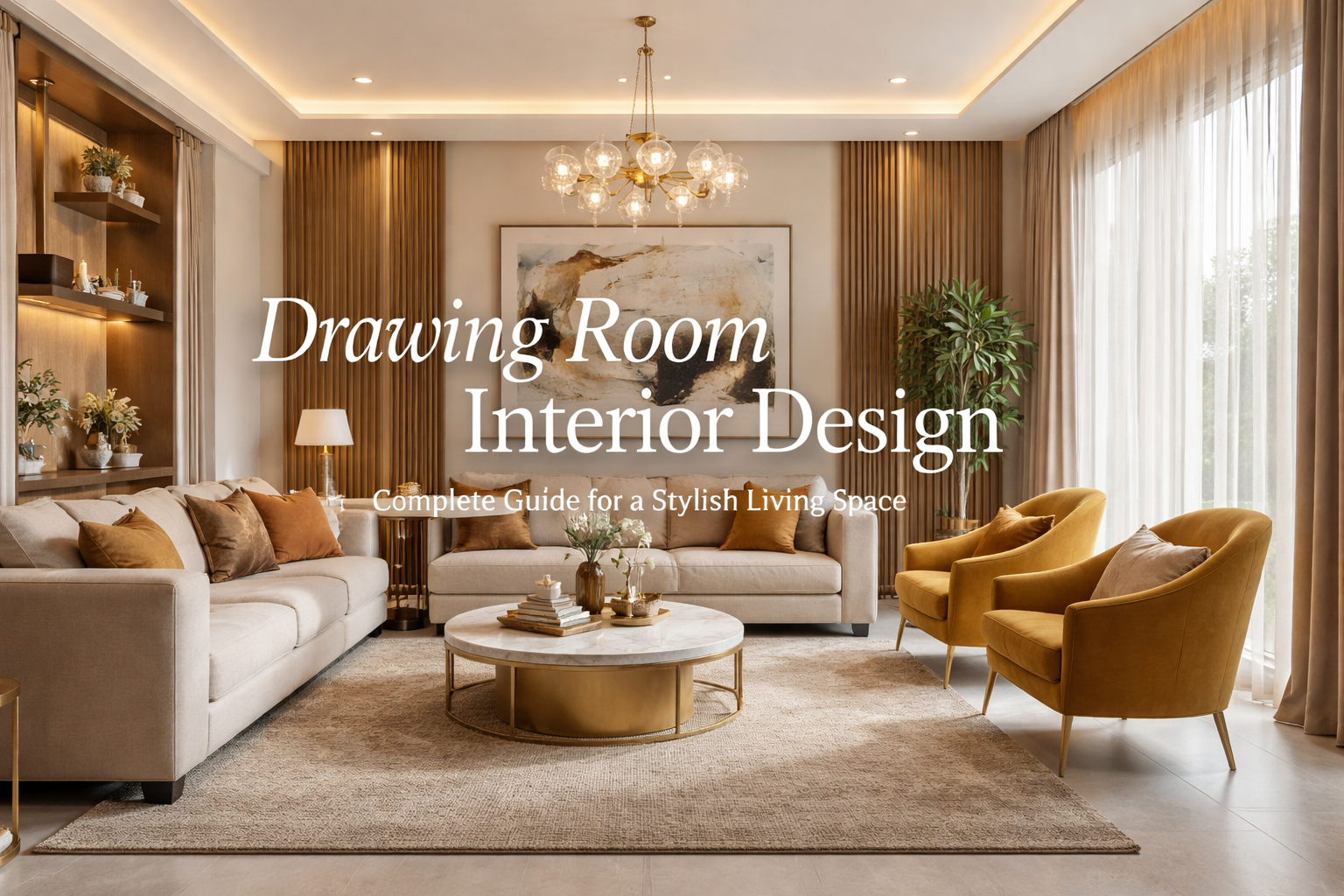
The drawing room is more than just a seating area. It is the first impression of your home, a reflection of your personality, and the space where guests gather, conversations flow, and memories are created. Thoughtful drawing room interior design balances aesthetics with comfort, ensuring the space feels welcoming yet refined.
Why Drawing Room Interior Design Matters
Good design ensures:
- Efficient use of available space
- Comfortable seating arrangement
- Balanced lighting
- Cohesive color palette
- Functional circulation
Step 1: Understanding the Layout
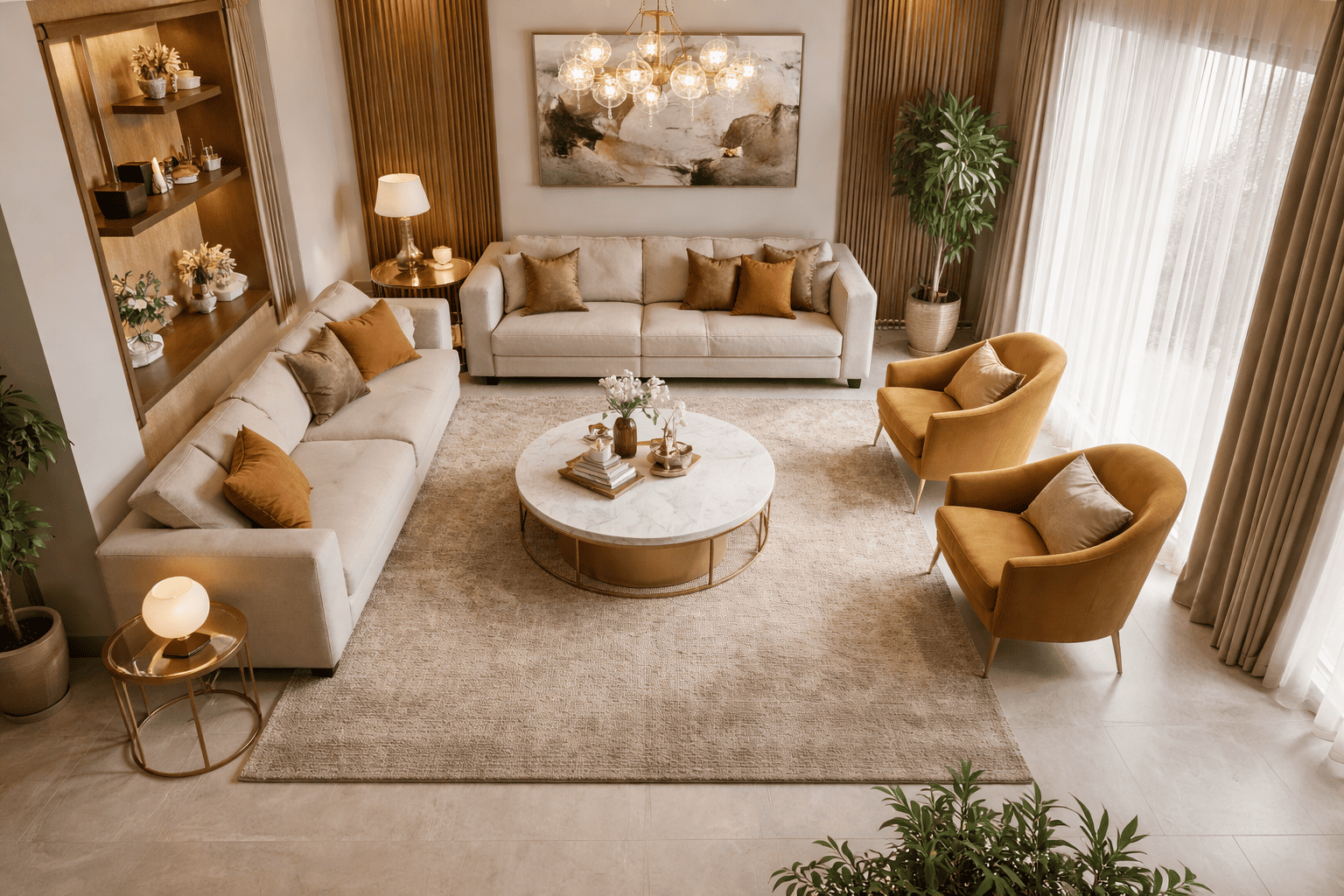
Consider Room Shape and Size
- Rectangular rooms benefit from linear seating arrangements.
- Square rooms allow symmetrical layouts.
- Compact rooms require multi-functional furniture.
- Large rooms can accommodate zoning with rugs and lighting.
Maintain Clear Movement Flow
Ensure at least 2.5–3 feet of walking space between furniture pieces. Avoid blocking windows or creating cramped pathways.
Step 2: Choosing the Right Color Palette
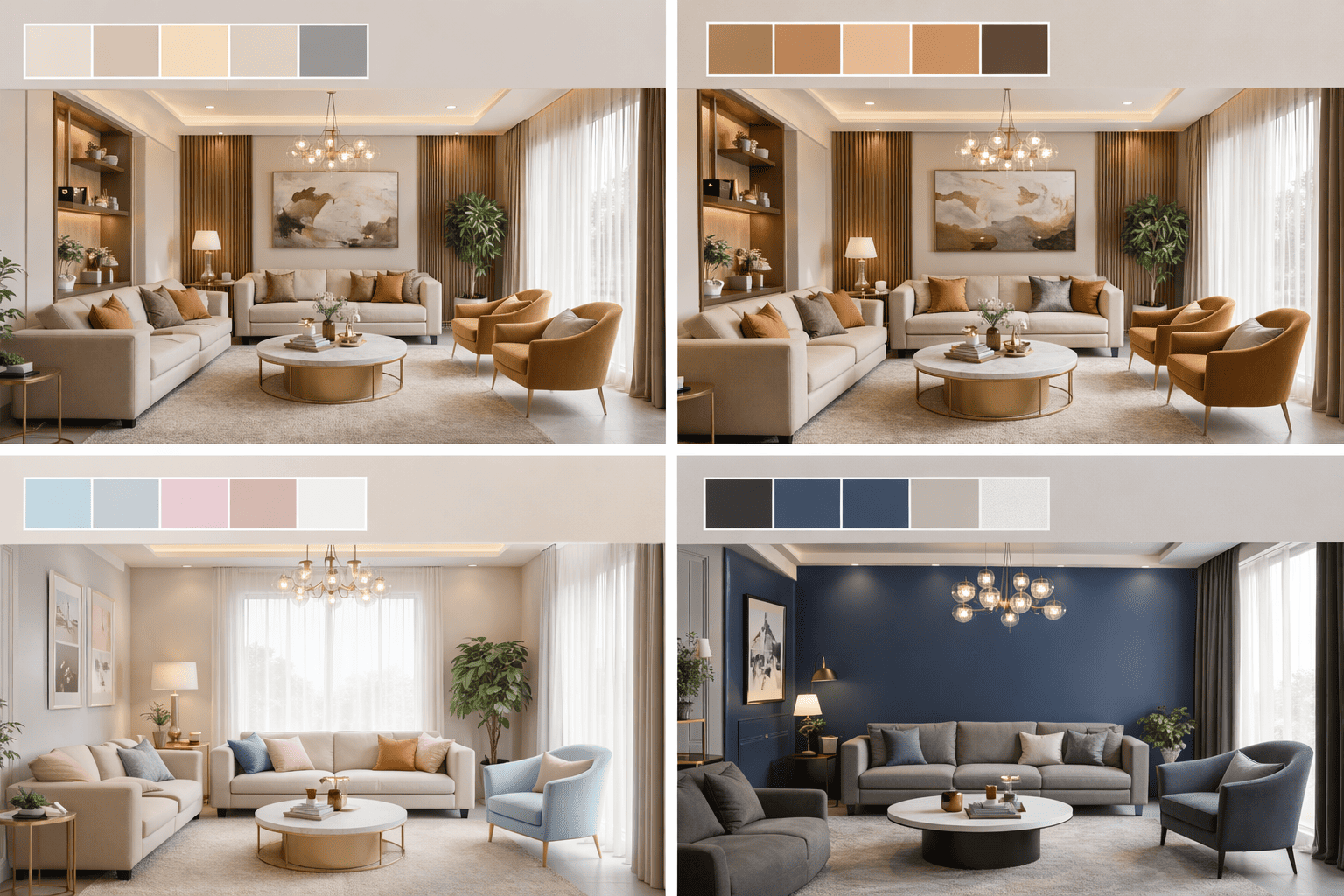
Popular Choices
- Neutral tones (beige, ivory, grey) for timeless elegance
- Earthy shades for warmth
- Pastels for airy and modern appeal
- Bold accent walls for statement design
Step 3: Selecting Functional and Stylish Furniture
Furniture defines comfort and visual impact.
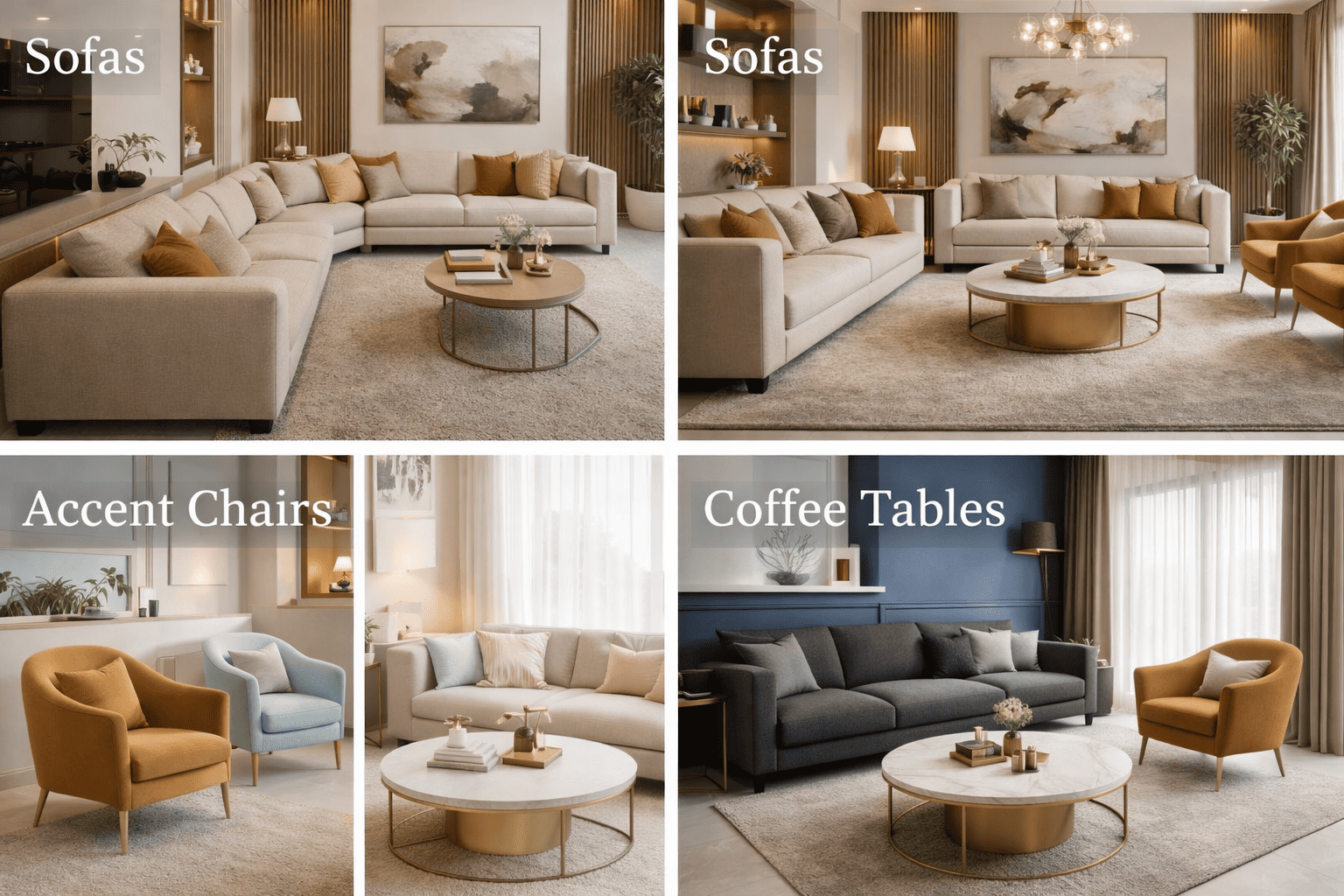
Sofa Selection
The sofa is the focal point. Consider:
- Fabric durability
- Seating depth
- Frame strength
- Scale relative to room size
Accent Chairs
Accent chairs add character and break monotony. They can introduce texture or color contrast.
Coffee Tables
Choose based on functionality:
- Wooden for warmth
- Glass for visual lightness
- Marble for luxury
In compact spaces, nesting tables offer flexibility.
Step 4: Lighting Design Strategy
Lighting is often underestimated in drawing room interior design. A layered approach creates balance.
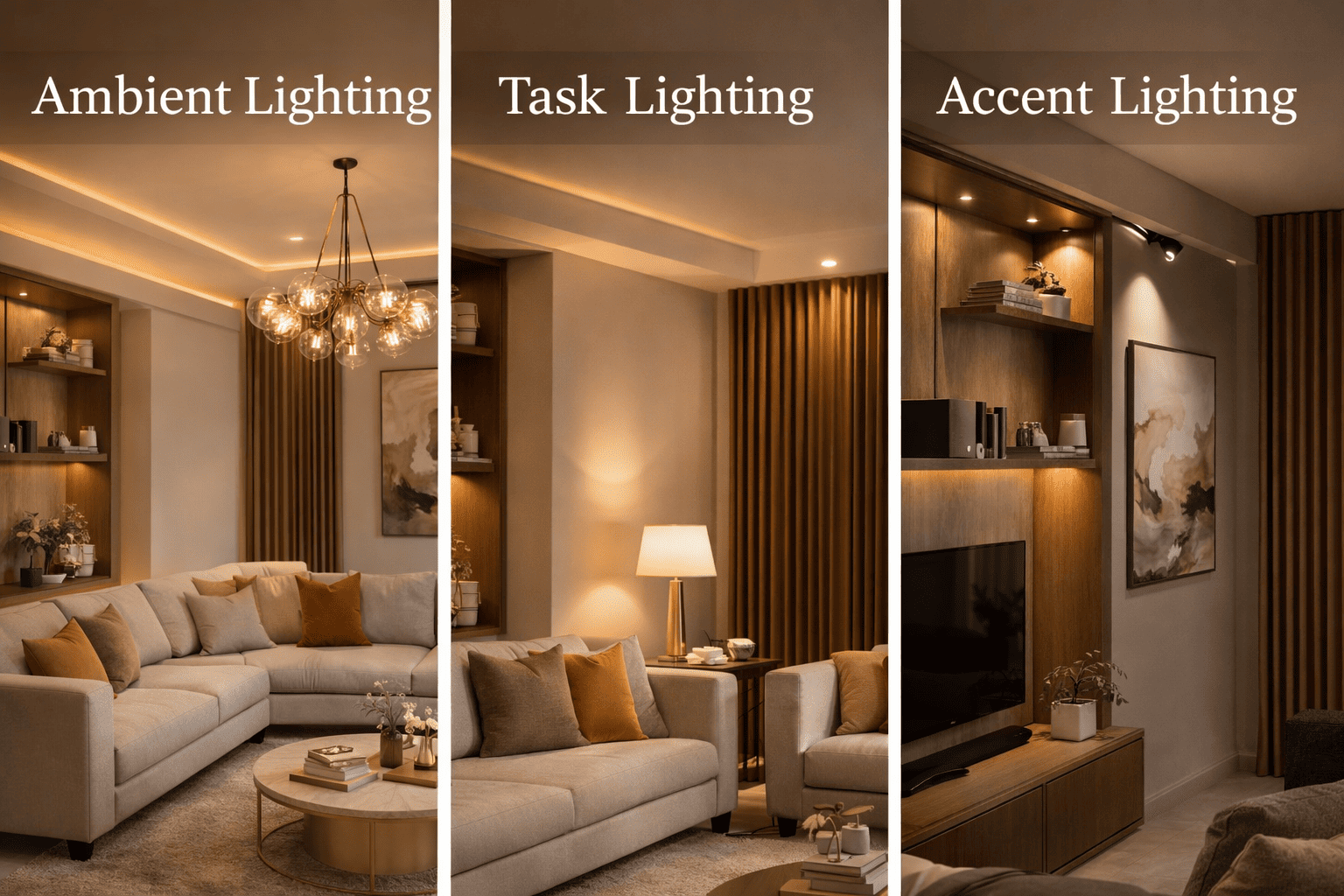
Three Types of Lighting
- Ambient Lighting – Ceiling lights or chandeliers
- Task Lighting – Reading lamps or side lamps
- Accent Lighting – Wall washers or spotlights
Warm white lighting creates comfort, while cool lighting suits modern themes.
Consider dimmers to adjust brightness based on mood and occasion.
Step 5: Wall Treatments and Feature Elements
Walls offer opportunities for creative expression.
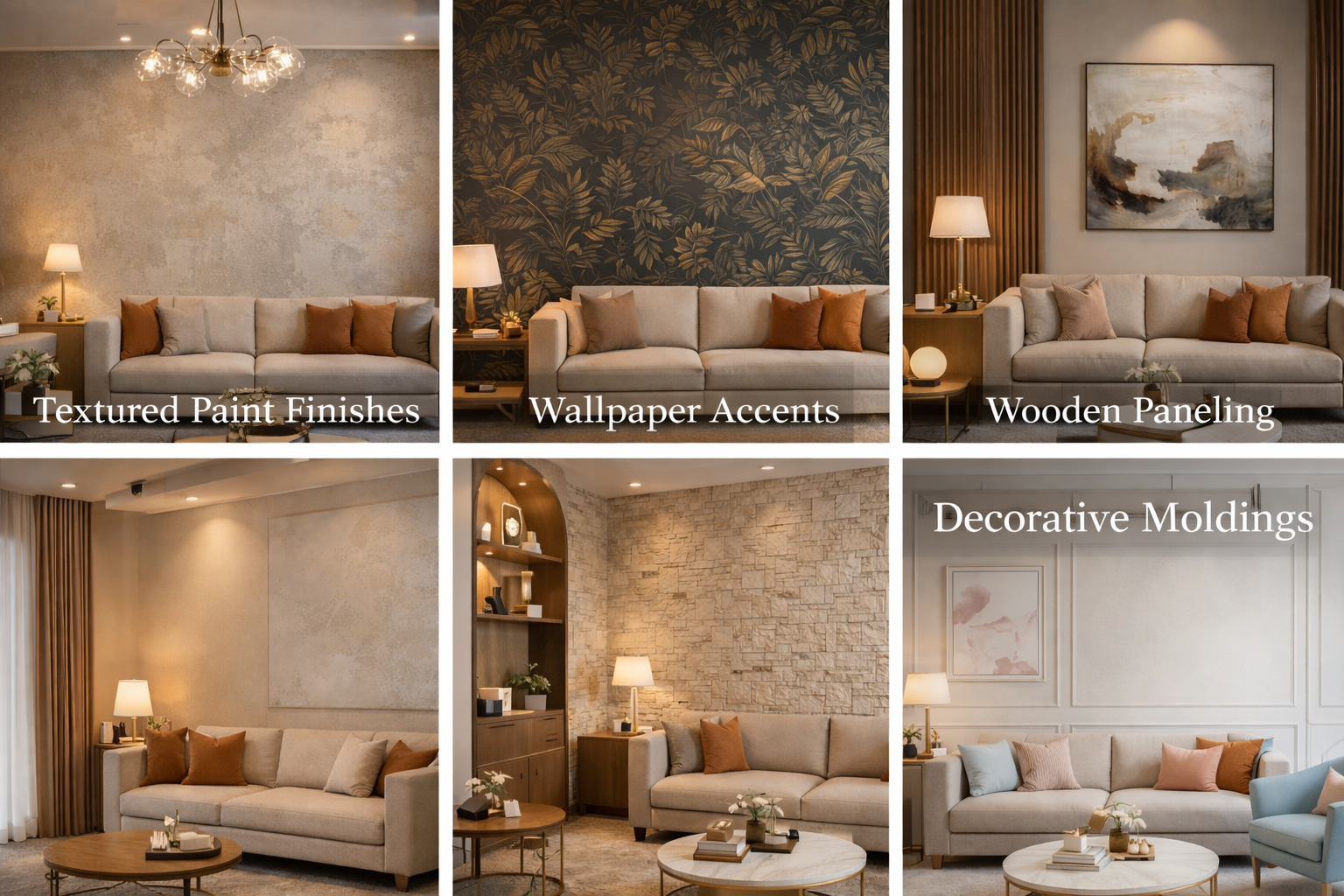
- Textured paint finishes
- Wallpaper accents
- Wooden paneling
- Stone cladding
- Decorative moldings
Avoid overcrowding walls with excessive décor. Strategic placement maintains sophistication.
Step 6: Flooring and Rugs
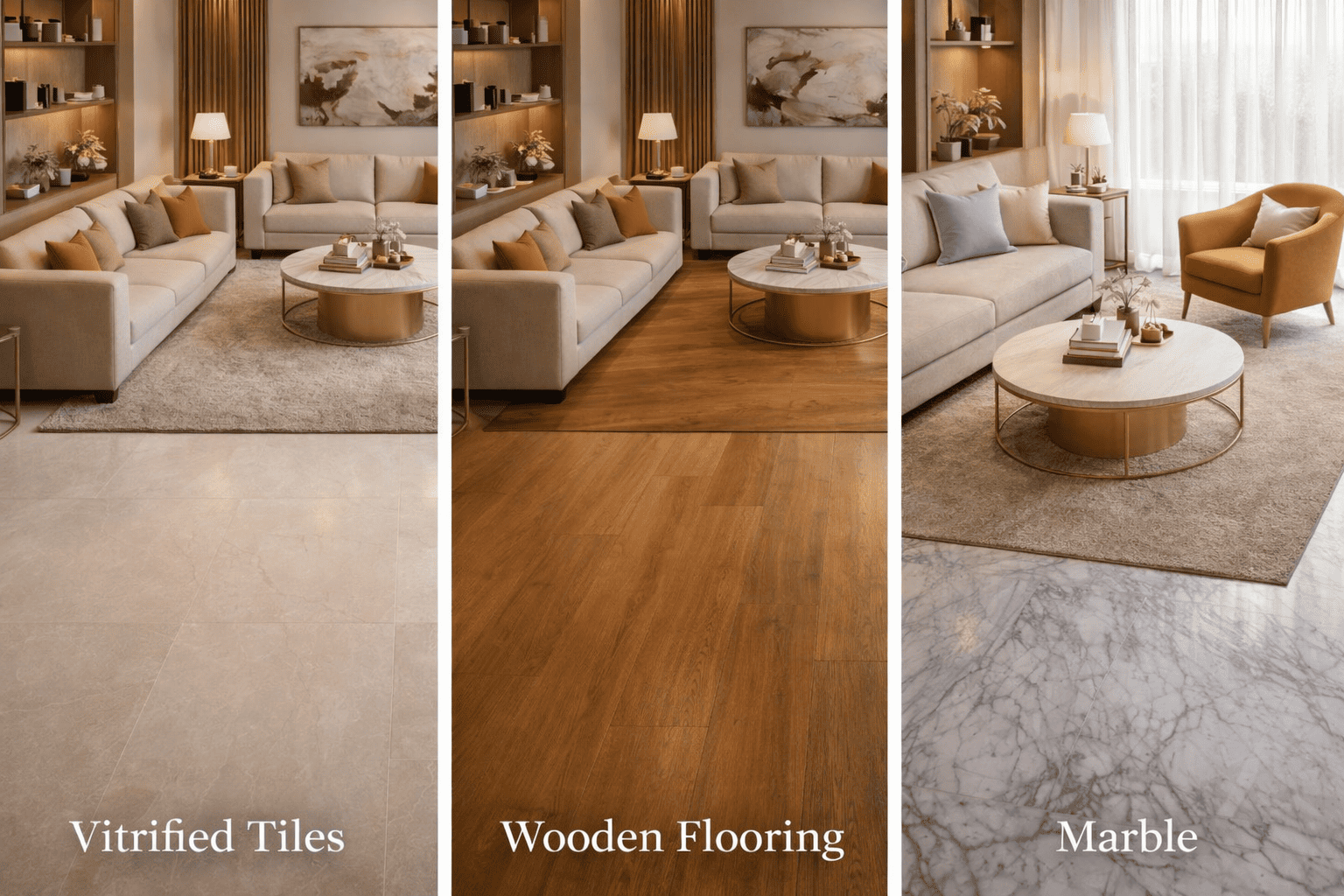
Popular Flooring Options
- Vitrified tiles for durability
- Wooden flooring for warmth
- Marble for premium appeal
Rugs define seating zones and add softness. Ensure the rug extends under at least the front legs of sofas to maintain proportion.
Step 7: Curtains and Window Treatments
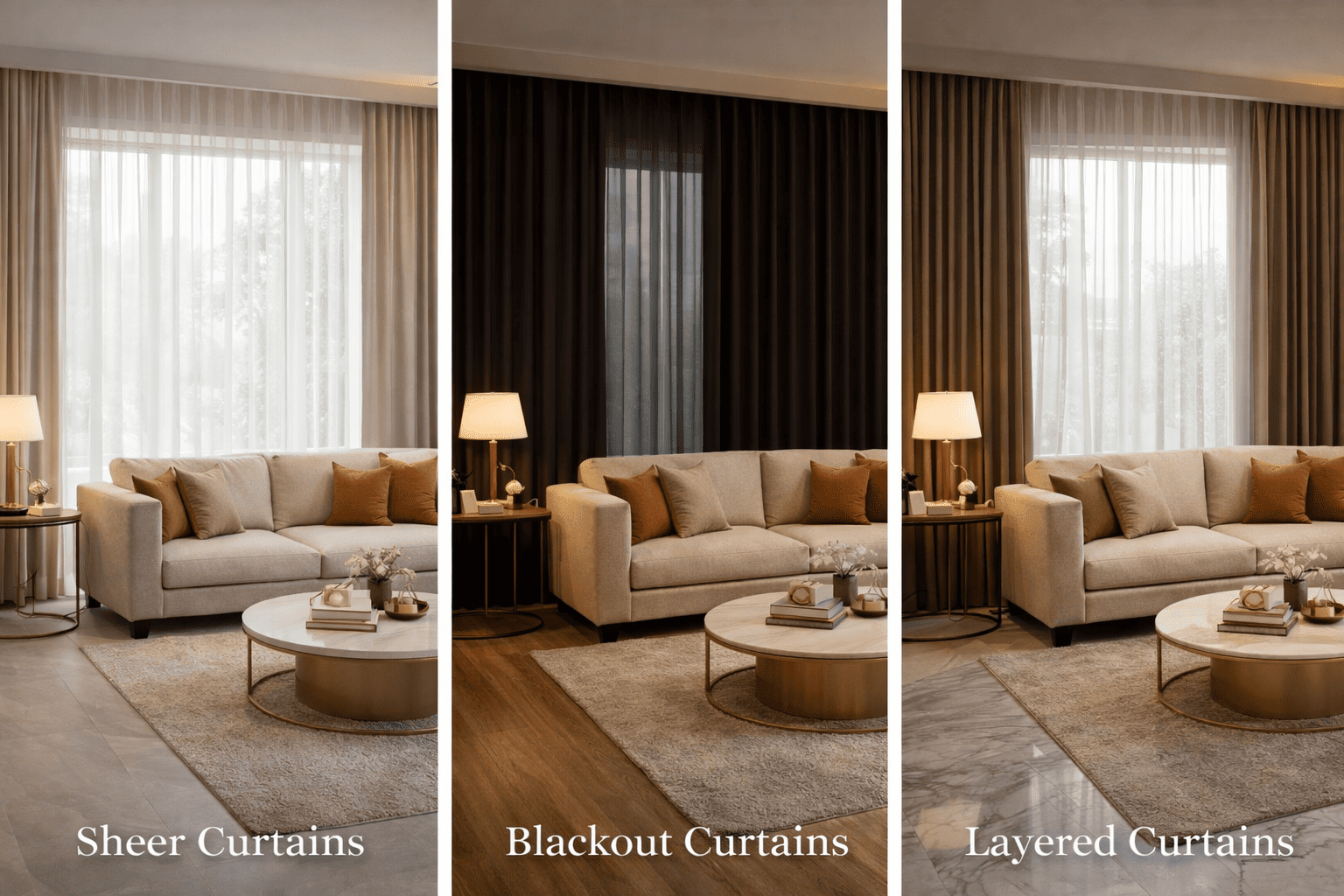
- Sheer curtains enhance brightness
- Blackout curtains provide privacy
- Layered curtains create luxury appeal
Mount curtain rods slightly above window frames to give an illusion of height.
Step 8: Storage Without Clutter
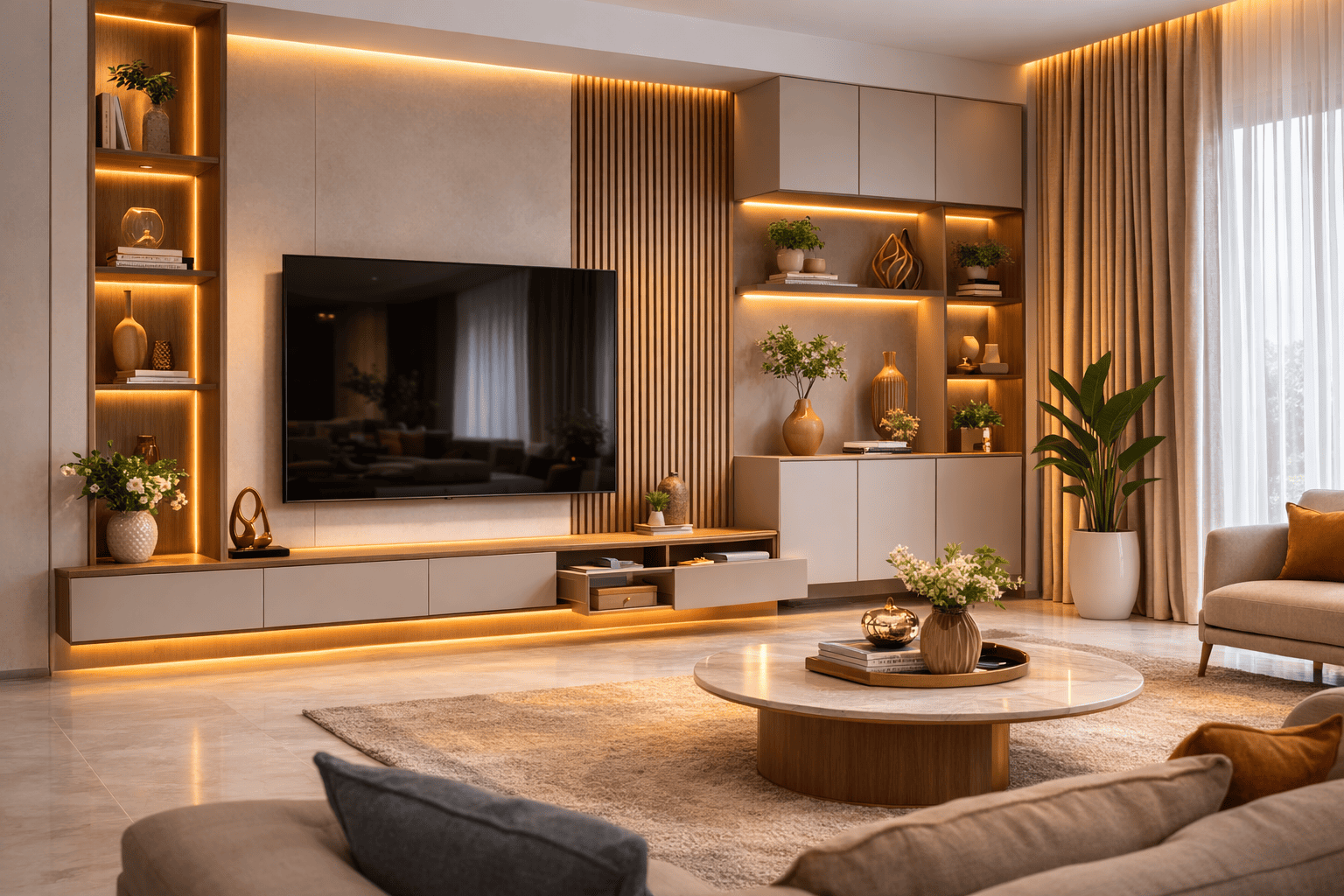
Smart Storage Ideas
- TV units with concealed storage
- Wall-mounted cabinets
- Built-in shelves
- Minimal display units
Step 9: Decorative Styling
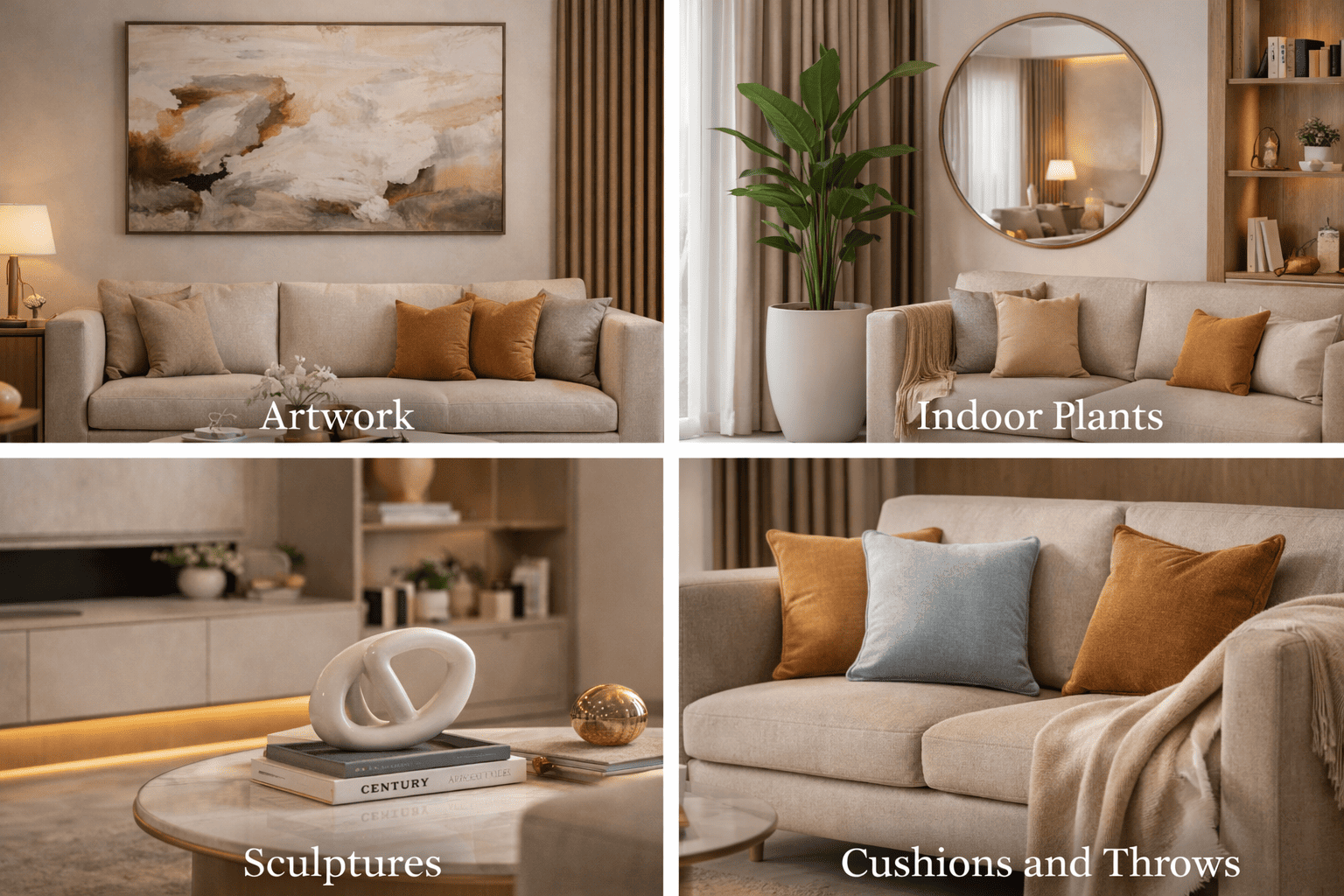
Accessories personalize the space.
Essential Décor Elements
- Artwork
- Indoor plants
- Sculptures
- Mirrors
- Cushions and throws
Use the “less is more” principle. Choose meaningful pieces instead of overcrowding.
Mirrors can visually double space in compact drawing rooms.
Step 10: Designing for Different Home Sizes
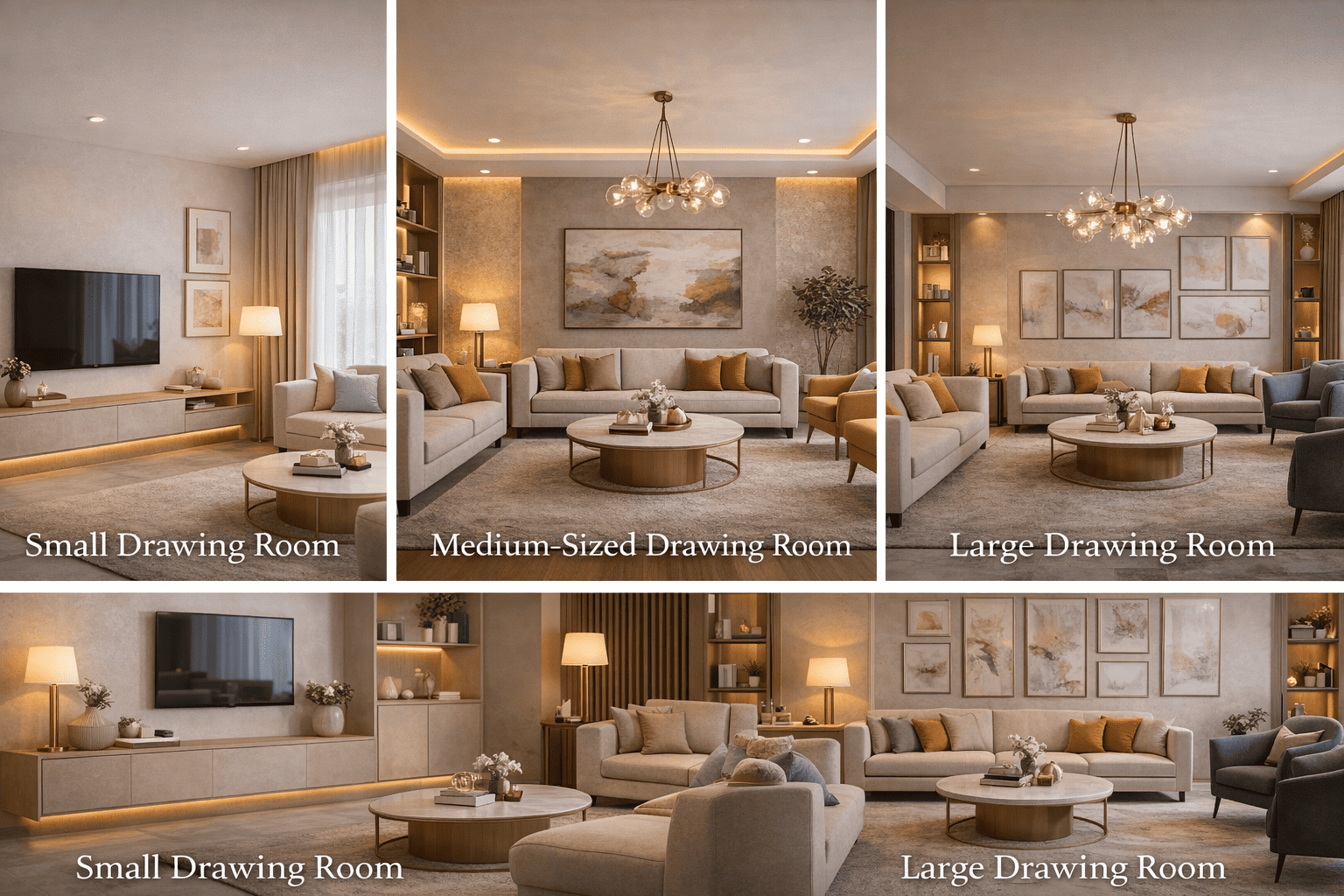
Small Drawing Room
- Light color palette
- Multi-functional furniture
- Wall-mounted storage
- Minimal décor
Medium-Sized Drawing Room
- Defined seating clusters
- Balanced lighting layers
- Subtle feature wall
Large Drawing Room
- Zoning with rugs
- Multiple seating arrangements
- Statement chandelier
- Art gallery wall
Modern Trends in Drawing Room Interior Design
Keeping up with design trends ensures contemporary appeal.
-
Minimalist Interiors
Biophilic design brings nature indoors, helping create a refreshing and relaxing atmosphere. Incorporating indoor plants, natural textures, stone finishes, and wooden elements can dramatically improve the warmth and visual appeal of the space. Large windows, natural light, and earthy color palettes further strengthen the connection between the indoors and nature.
-
Biophilic Design
Biophilic design brings nature indoors, helping create a refreshing and relaxing atmosphere. Incorporating indoor plants, natural textures, stone finishes, and wooden elements can dramatically improve the warmth and visual appeal of the space. Large windows, natural light, and earthy color palettes further strengthen the connection between the indoors and nature.
-
Statement Lighting
Lighting has become a key focal point in modern drawing rooms. Designers are increasingly using oversized pendant lights, sculptural chandeliers, and artistic lighting fixtures to add personality and visual drama. Statement lighting not only enhances the room’s ambience but also acts as a decorative centerpiece.
-
Sustainable Materials
Sustainability is gaining importance in interior design. Many homeowners now prefer eco-friendly materials such as recycled wood, sustainable fabrics, bamboo, and low-VOC paints. These materials reduce environmental impact while adding a natural and elegant aesthetic to the drawing room.
-
Smart Technology Integration
Modern homes are increasingly incorporating smart technology for convenience and efficiency. Features like automated lighting systems, hidden wiring, smart speakers, motorized curtains, and climate control allow homeowners to manage their living spaces effortlessly while maintaining a sleek and uncluttered interior design.
Common Mistakes to Avoid
- Oversized furniture in small rooms
- Poor lighting planning
- Ignoring ventilation
- Too many color combinations
- Random furniture placement
Budget Planning for Drawing Room Interior Design
Basic Budget Range
- Standard furniture
- Simple paint finishes
- Basic lighting
Mid-Range Budget
- Customized furniture
- Feature wall treatment
- Decorative lighting
Premium Budget
- Luxury finishes
- Designer furniture
- Marble flooring
- High-end lighting fixtures
Prioritize quality in items used daily, such as sofas and lighting.
Conclusion
Drawing room interior design is not just about decoration. It is about creating a balanced environment where aesthetics meet function. From layout planning and color selection to lighting and furniture placement, every detail contributes to the overall experience.
Whether you prefer modern minimalism, classic elegance, or contemporary fusion, thoughtful planning ensures your drawing room remains stylish, comfortable, and timeless.
A well-designed drawing room does not merely impress visitors — it enhances everyday living.