

Modern 1200 Sq Ft House Design for Small and Medium-Sized Families
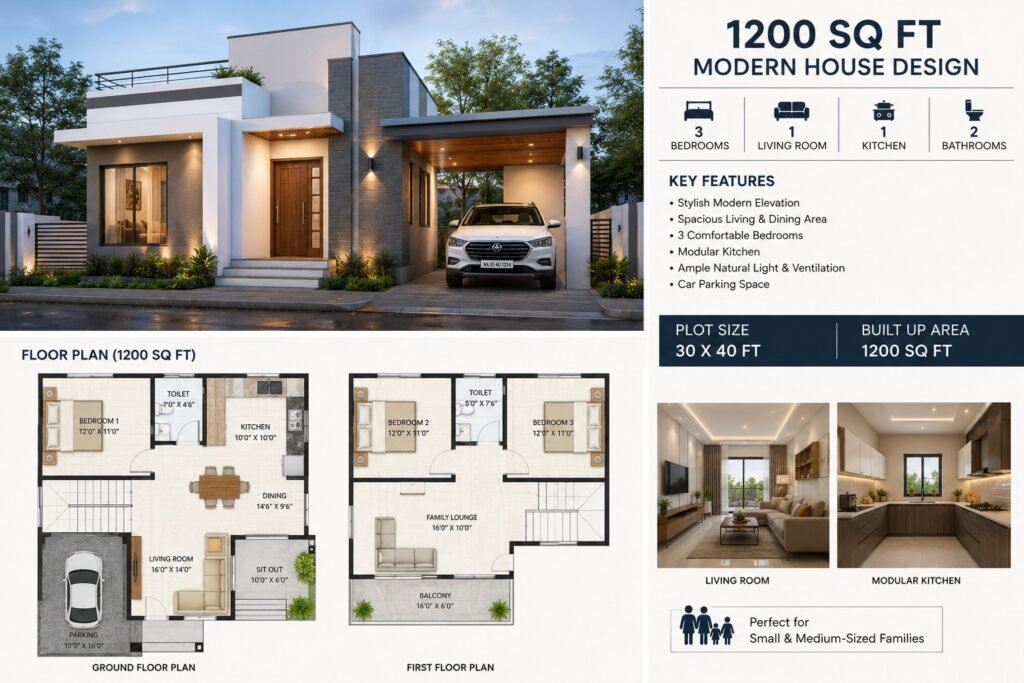
When a young couple walked into our studio last year with a 1200 sq ft plot and a wish list that included three bedrooms, a home office, and “a kitchen my mother-in-law will approve of,” our first instinct wasn’t to reach for a standard floor plan. It was to ask questions: How many people will actually live here in five years? Where does the sun rise on this plot? Is parking a problem? That conversation is the real starting point of this guide. Over the past several design cycles, we’ve noticed the same pattern repeating across dozens of 1200 sq ft projects: the families who end up happiest in their finished homes are the ones who treated 1200 sq ft as a design challenge to solve thoughtfully, not a constraint to apologize for. This guide walks through exactly how to do that — from floor plan logic to construction costs to the small details that separate a house that feels “compact” from one that feels cramped. Why 1200 Sq Ft Has Become the Sweet Spot for Indian Homeowners in 2026 A decade ago, “bigger is better” was the default assumption in residential construction. That’s shifted. Rising land costs in tier-2 and tier-3 cities, smaller average household sizes, and growing awareness of long-term maintenance burden have pushed 1200 sq ft into the most-requested category we see at the design stage.The appeal isn’t purely financial, though cost is a real factor. A 1200 sq ft footprint typically uses 30–40% less structural material than a 1800–2000 sq ft home of comparable quality, which translates directly into lower cement, steel, and labor bills. But the homeowners who come back to thank us months after moving in usually mention something else: their electricity bills are lower, cleaning takes a fraction of the time, and the house simply feels easier to live in day to day.That said, 1200 sq ft isn’t automatically the right answer for every family. A household of six with frequent overnight guests will feel the pinch that a couple or small nuclear family won’t. The honest advice we give every client: match the square footage to your actual living pattern, not an aspirational one. Choosing Between a 2 BHK and 3 BHK Layout This is usually the first real decision point, and it’s worth more thought than most homeowners give it. The 2 BHK Layout: Built for Breathing Room A 2 BHK configuration on a 1200 sq ft plot gives the architect room to be generous with open space — and in our experience, that openness is what people notice first when they walk into a well-designed 2 BHK. A typical layout we’d recommend includes a living-cum-dining zone that flows into the kitchen with minimal partitioning, so the home reads larger than its actual footprint. The master bedroom usually gets an attached bathroom for privacy, while the second bedroom is left deliberately flexible — it might be a nursery today, a home office next year, and a guest room the year after that. We’ve found that clients who plan this room as “flexible” from day one are far less likely to feel boxed in later.This layout suits small families, couples planning long-term, or anyone who values space over room count. The 3 BHK Layout: Compact Without Feeling Tight Fitting three bedrooms into 1200 sq ft is absolutely possible, but it punishes sloppy planning. The margin for wasted corridor space or oversized circulation areas is much smaller than in a 2 BHK. The layouts that work best keep the living, dining, and kitchen zones in one continuous open-plan sequence, freeing up every spare square foot for the bedrooms. The master bedroom typically retains its attached bathroom; the two secondary bedrooms share a common bathroom positioned for easy access from both. A small study nook — sometimes no more than a 3×4 ft alcove — is often the difference between a home office that gets used and one that becomes storage.A well-executed 3 BHK at this size doesn’t feel like a compromise. A poorly executed one feels like three rooms competing for the same air. The difference is almost entirely in the planning stage, before a single brick is laid. Exterior Design: What’s Actually Working in 2026 Flat roofs continue to dominate in compact home design, and for good practical reasons beyond aesthetics — they’re less expensive to construct than pitched roofs and double as usable space for solar panel installation or a small terrace garden. We’d note one caveat from experience: flat roofs demand meticulous waterproofing detailing, especially in regions with heavy monsoon rainfall. Cutting corners here is the single most common regret we hear from homeowners two or three years after possession.Large windows remain the other defining feature of contemporary compact homes, and not just for looks. Bigger glazing means more daylight reaches the interior, which cuts down daytime lighting costs and genuinely improves how a small home feels to live in. The trade-off to manage is heat gain — in hotter climates, we typically recommend pairing large windows with overhangs, tinted glass, or strategic orientation to avoid turning the living room into a greenhouse by 2 p.m.For materials and color, neutral palettes — whites, warm beiges, soft greys — paired with a mix of concrete, wood-textured panels, and occasional stone cladding continue to give the best balance of contemporary appeal and long-term resale value. Loud, highly trend-specific exteriors tend to date faster and can actually work against resale. Interior Planning: Where the Real Space-Saving Happens Floor plan gets people excited, but interior detailing is where a 1200 sq ft home either succeeds or fails in daily use. Open living concepts genuinely work — combining living, dining, and kitchen into one visually connected zone is the single most effective way to make a compact home feel larger, and it has the added benefit of keeping families more connected during everyday routines. Modular kitchens earn their reputation here. Pull-out drawers, vertical storage columns, and corner carousel units routinely reclaim 15–20% more usable
Best Paint Colors for Living Room: 9 Stunning Shades to Transform Your Space
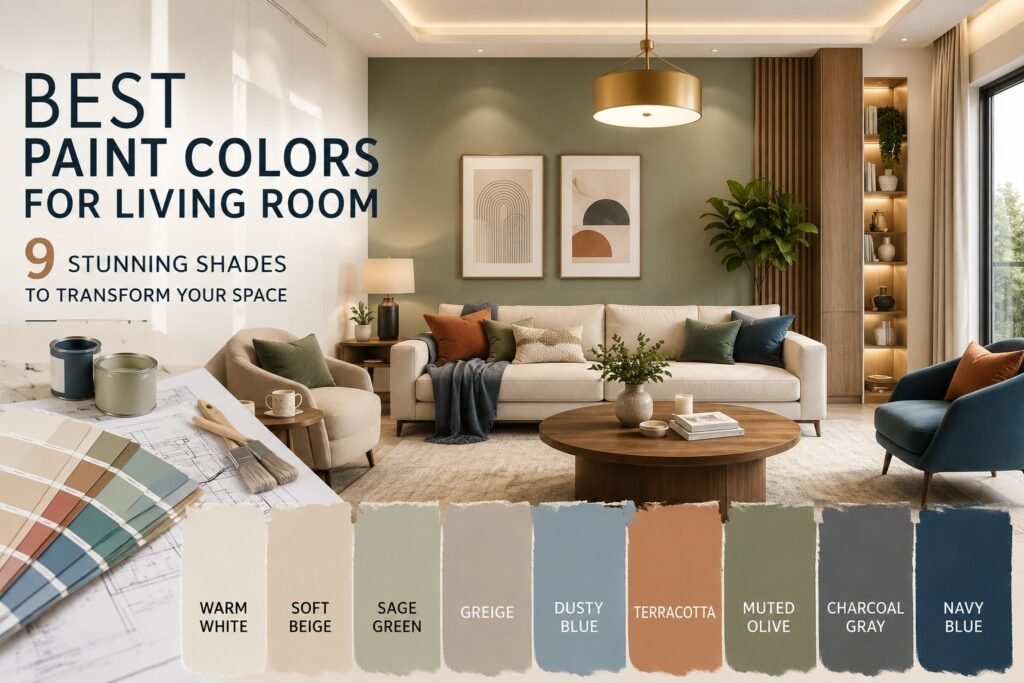
The living room is often considered the heart of a home. It is where families gather, guests are entertained, and some of life’s most memorable moments take place. While furniture and décor play an important role in creating a beautiful space, the paint color you choose can completely transform the atmosphere of your living room. As one of India’s leading architects and interior design experts, Sarab Marwah believes that color is one of the most powerful design elements. The right shade can make a room feel larger, brighter, warmer, or more luxurious, while the wrong choice can impact the overall harmony of the space. If you’re planning to refresh your interiors, this guide to the best paint colors for living room spaces will help you discover stunning shades that combine style, comfort, and timeless appeal. Why Choosing the Right Living Room Paint Color Matters Paint does much more than simply add color to your walls. It affects the mood, lighting, and overall perception of the room. The right living room paint color can: Make your room appear larger and brighter Create a relaxing and comfortable environment Reflect your personality and design style Enhance natural light Complement your furniture and décor Increase the visual appeal of your home Paint does much more than simply add color to your walls. It affects the mood, lighting, and overall perception of the room. How to Choose the Best Paint Colors for Living Room Before selecting a color, consider a few important factors. ✅ Natural Light Rooms with plenty of sunlight can handle darker or bolder shades, while spaces with limited natural light generally work better with lighter tones. ✅ Room Size Light colors create the illusion of more space, making them ideal for compact living rooms. ✅ Existing Furniture Your wall colors should complement your flooring, furniture, curtains, and accessories. ✅ Desired Mood Do you want the room to feel cozy, elegant, modern, or vibrant? Different colors evoke different emotions. Warm colors create energy and comfort Cool colors encourage relaxation Neutral shades offer versatility and timeless appeal Quick Comparison: Best Living Room Paint Colors Color Style Mood Best For Warm White Modern & Minimalist Bright & Airy Small & Large Rooms Soft Beige Classic & Elegant Warm & Cozy Family Homes Sage Green Nature Inspired Calm & Refreshing Modern Interiors Greige Contemporary Sophisticated All Room Sizes Dusty Blue Coastal & Modern Peaceful Family Spaces Terracotta Rustic & Earthy Warm & Inviting Indian Homes Olive Green Luxury Design Rich & Elegant Large Living Rooms Charcoal Gray Contemporary Dramatic Spacious Areas Navy Blue Premium Interiors Luxurious Statement Spaces 1. Warm White: Timeless and Elegant Warm white remains one of the most popular choices among interior designers. Unlike pure white, warm white has subtle beige or cream undertones that make the room feel soft and inviting. Why It Works Makes rooms look larger Reflects natural light beautifully Matches almost every décor style Creates a luxurious and timeless appearance Best For Small living rooms Minimalist interiors Modern apartments Contemporary homes Warm white provides the perfect blank canvas for adding colorful furniture and decorative accents. 2. Soft Beige: Warm and Sophisticated Beige continues to be one of the best paint colors for living room spaces because of its versatility. It creates a warm and cozy atmosphere while maintaining a refined and elegant appearance. Why Homeowners Love Beige Easy to pair with wood furniture Creates a welcoming environment Works well with both traditional and modern interiors Adds subtle luxury Best For Family homes Open-concept living rooms Homes with wooden flooring 3. Sage Green: Calm and Nature-Inspired Sage green has become one of the biggest interior design trends in recent years. Inspired by nature, this soft green shade brings freshness and tranquility into the home. Benefits of Sage Green Creates a peaceful atmosphere Reduces visual stress Adds warmth without overpowering the room Complements natural materials like wood and stone Best For Modern interiors Scandinavian designs Eco-inspired homes Sage green is particularly effective in living rooms with large windows and plenty of natural light. 4. Greige: The Perfect Blend of Gray and Beige Greige is a combination of gray and beige that offers the best of both worlds. It provides the sophistication of gray while maintaining the warmth of beige. Why It’s Trending Highly versatile Works with various furniture styles Creates a modern and premium look Suitable for all room sizes Best For Luxury interiors Contemporary homes Open-plan living areas Many designers consider greige one of the safest choices for homeowners who want a modern yet timeless appearance. 5. Dusty Blue: Relaxing and Elegant Blue has long been associated with calmness and serenity. Dusty blue, in particular, creates a sophisticated and soothing environment. Why It Works Makes the room feel peaceful Pairs beautifully with white and wood tones Adds character without being overwhelming Best For Coastal interiors Contemporary homes Family living rooms This shade works particularly well when combined with brass lighting fixtures and natural textures. 6. Terracotta: Warm and Inviting Terracotta is making a major comeback in modern interior design. Its earthy orange and clay-inspired tones create warmth and personality. Why Designers Love Terracotta Adds richness and depth Creates a cozy atmosphere Brings a touch of Mediterranean style Works beautifully with natural materials Best For Bohemian interiors Rustic homes Modern Indian interiors When used correctly, terracotta becomes a stunning feature color in living spaces. 7. Muted Olive Green: Rich and Luxurious Muted olive green is ideal for homeowners looking to add sophistication and warmth. Why Designers Love Terracotta Creates a luxurious appearance Pairs beautifully with wooden furniture Adds depth and character Feels modern and timeless Best For Luxury homes Large living rooms Nature-inspired interiors Olive green works exceptionally well with gold accents and textured fabrics. 8. Charcoal Gray: Bold and Contemporary For homeowners who prefer dramatic interiors, charcoal gray offers a bold and elegant option. Why It Works Creates a modern look Adds sophistication Highlights artwork and decorative pieces Makes furniture stand out Best For Large living rooms Contemporary homes
Documents Required Before Constructing a Property in Mohali: Complete Checklist for Homeowners

Introduction Building your dream home in Mohali is an exciting milestone, but before construction begins, ensuring all legal documents and approvals are in place is critical. Many homeowners focus on architectural designs, construction costs, and interior planning while overlooking the paperwork required by local authorities. Missing even a single approval can lead to project delays, penalties, or legal complications. Whether you’re constructing a house in Aerocity, Sector 66, New Chandigarh, Kharar, or any area under GMADA jurisdiction, understanding the required documents beforehand can save significant time and money. This guide explains all essential records, approvals, and permissions needed before starting residential construction in Mohali. Why Documentation Matters Before Construction Before discussing the specific documents, it is important to understand why these approvals are required. Construction regulations are designed to: Verify legal ownership of the property Ensure compliance with GMADA building bylaws Maintain structural safety standards Prevent unauthorized construction Protect future property value and resale potential A properly documented project moves through approvals more efficiently and reduces the risk of future disputes. 1. Property Ownership Documents The first step before any construction activity is verifying legal ownership. What Should Homeowners Check? A clear ownership record confirms that the land legally belongs to the person intending to construct the property.Important ownership documents typically include: Sale Deed Conveyance Deed Registry Documents Property Transfer Documents Mutation Records These records establish legal rights over the plot and are often required during plan approval applications. Why It Matters Architects and approving authorities cannot process building plans unless ownership documentation is complete and accurate. 2. Latest Jamabandi and Revenue Records One of the most important documents in Punjab property transactions is the Jamabandi. What is Jamabandi? Jamabandi is the official land ownership record maintained by revenue authorities. It contains details about: Ownership status Land classification Co-owners (if any) Revenue records Why Is It Important? Authorities use Jamabandi records to verify ownership before granting construction approvals. Homeowners should ensure the records are updated and match the current ownership details. 3. Mutation Certificate After purchasing a plot, ownership must be updated in government records through mutation. Why Mutation Matters Even if a sale deed has been executed, outdated mutation records can create complications during approval processes. The mutation certificate confirms that the government’s revenue records recognize the new owner. Common Mistake Many homeowners assume property registration alone is sufficient. In reality, mutation updates are equally important before construction begins. 4. Approved Building Plan Perhaps the most critical requirement before construction is obtaining an approved building plan. What Does a Building Plan Include? A professionally prepared plan generally contains: Site layout Floor plans Elevations Section drawings Parking details Setbacks Structural information Who Should Prepare It? Starting construction without approval can result in: Stop-work notices Financial penalties Demolition orders Future resale difficulties 5. Architectural Drawings and Design Dcouments Beyond statutory approvals, detailed architectural drawings are essential for smooth execution. These documents help contractors understand: Room dimensions Structural requirements Material specifications Design details Construction sequence A comprehensive architectural package reduces errors, cost overruns, and delays during construction. 6. Structural Stability Certificate Modern homes require structural verification to ensure long-term safety. What Does This Certificate Confirm? The foundation design is adequate Load calculations are correct Structural elements meet safety standards The building can safely support intended loads Why Homeowners Should Not Ignore It Poor structural planning often becomes visible only after construction is complete, making corrections extremely expensive. 7. Soil Testing Report Many homeowners skip soil investigations to save money, but this can become a costly mistake. What Does Soil Testing Determine? The report evaluates: Soil bearing capacity Groundwater levels Foundation suitability Soil composition Benefits A soil test helps architects and engineers design the correct foundation system, reducing the risk of settlement and structural damage. 8. NOC (No Objection Certificates), If Applicable Depending on the plot location and project type, additional approvals may be required. Examples include: Environmental clearance Airport authority approval (certain zones) Utility-related permissions Fire department approvals for larger projects Not every residential property requires all NOCs, but verification is essential before starting work. 9. Utility Connection Documents Construction activities typically require temporary or permanent utility connections. Common Utility Documents Electricity connection approvals Water supply connection documents Sewerage connection approvals Obtaining these beforehand ensures uninterrupted progress during construction. 10. Contractor Agreements and Construction Contracts While not a government requirement, a formal construction agreement protects homeowners from future disputes. A professional contract should clearly define: Scope of work Payment schedule Construction timeline Material specifications Quality standards Defect liability terms Proper documentation creates accountability and minimizes misunderstandings. Common Mistakes Homeowners Make Before Construction Many construction delays occur because of avoidable errors. Starting Work Before Approval Some homeowners begin excavation before receiving official approvals. This can lead to serious legal consequences. Not Verifying Ownership RecordsIncomplete ownership records frequently cause approval delays.Ignoring Soil Testing Poor foundation planning often results in long-term structural issues. Hiring Unlicensed ProfessionalsWorking with qualified architects and engineers helps ensure compliance and quality. Overlooking Future Expansion Proper planning should account for future family requirements and possible floor additions. Also Read: 3 BHK Apartment Floor Plan Cost in Chandigarh (2026): Layout Ideas & Design Guide Construction Approval Process in Mohali Although requirements may vary depending on the location and governing authority, the typical process involves: Step 1 Property document verification Step 2 Architectural planning and design Step 3 Building plan preparation Step 4 Submission to relevant authority Step 5 Approval review and compliance checks Step 6Construction commencement after approval Following the correct process helps homeowners avoid unnecessary complications. Why Working with an Experienced Architect Matters An experienced architect does far more than create drawings. Professional architects help homeowners: Verify documentation Optimize space planning Ensure bylaw compliance Coordinate structural design Manage approval processes Reduce construction mistakes For homeowners in Mohali, professional guidance often saves both time and construction costs. Final Thoughts Constructing a home is one of the most significant investments a family makes. Before laying the first brick, ensuring that all legal documents, approvals, and technical records are in place is essential.
Bedroom Direction as per Vastu: Guide for Peaceful and Positive Living
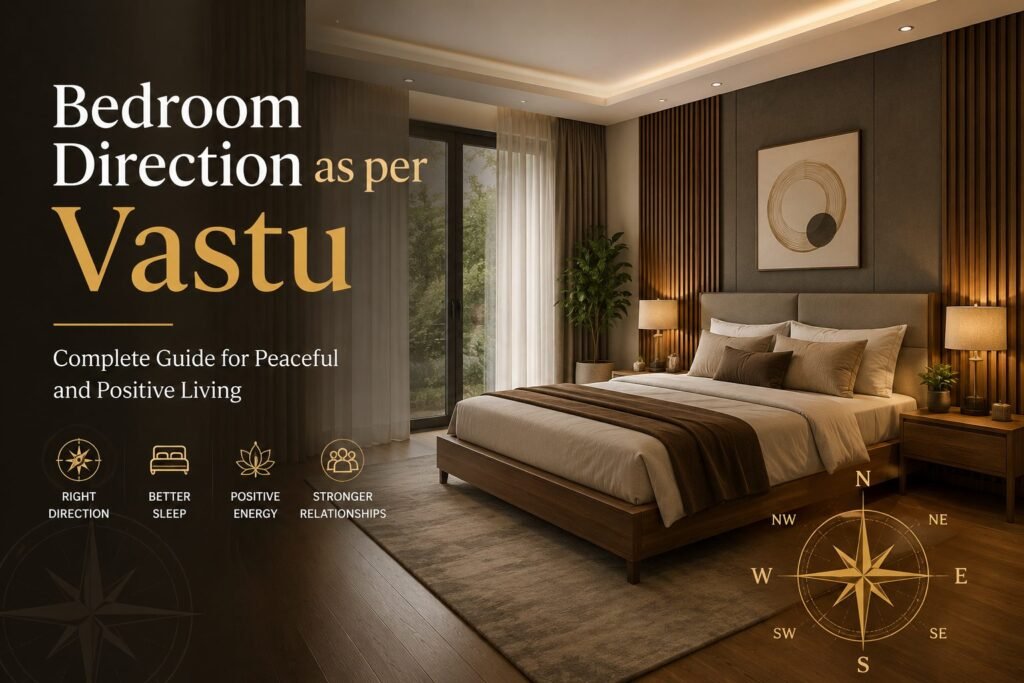
A bedroom is more than just a place to sleep. It is the most personal and emotionally connected space in a home — a place where the body relaxes, the mind resets, and relationships strengthen. According to Vastu Shastra, the direction, layout, furniture placement, colors, and energy flow inside the bedroom can significantly influence mental peace, health, sleep quality, and overall harmony. Today, many homeowners combine modern interiors with traditional Vastu principles to create balanced and comfortable living spaces. Whether you are designing a new home or renovating an existing one, understanding the correct bedroom direction as per vastu can help you create a healthier and more peaceful environment. In this complete guide, we will explore the ideal bedroom directions, master bedroom vastu tips, furniture placement, color recommendations, common mistakes to avoid, and practical planning ideas for modern homes. Why Bedroom Direction Matters in Vastu Shastra Vastu Shastra is an ancient Indian architectural science focused on balancing the five natural elements — earth, water, fire, air, and space. The bedroom is considered one of the most energy-sensitive areas because it directly affects rest, emotions, relationships, and mental stability. The right bedroom direction as per vastu helps: Improve sleep quality Reduce stress and anxiety Create emotional stability Strengthen family relationships Enhance positivity and comfort Support physical and mental well-being Best Bedroom Direction as per Vastu 1. Southwest Direction — Best for Master Bedroom The southwest direction is considered the most ideal location for the master bedroom according to Vastu Shastra. Why Southwest Works Best Better emotional balance Stronger relationships Improved sleep quality Sense of stability and comfort Better decision-making ability Most architects and interior designers prefer the southwest placement when planning a master bedroom layout as per vastu because it naturally creates a balanced energy flow. 2. Northwest Direction — Suitable for Guest Bedroom The northwest direction is ideal for guest bedrooms or children who may eventually move out for studies or career opportunities. Why Northwest is Recommended Guest bedrooms Teenagers Young adults Temporary living arrangements However, it is generally not preferred for the main master bedroom. 3. West Direction — Good Alternative Option If southwest placement is not possible, the west direction can also work well for bedrooms. Benefits of West-Facing Bedrooms Guest bedrooms Teenagers Young adults Temporary living arrangements A west-facing room combined with proper lighting and ventilation can create a highly functional and comfortable bedroom environment. 4. South Direction — Also Favorable The south direction is another acceptable choice for bedroom placement in modern homes. Why South Direction Works South-facing bedrooms are believed to support deeper sleep and improved mental peace. Important Tip Ensure proper ventilation and avoid overly dark interiors when designing south-facing bedrooms. Hire Interior Designer In Chandigarh Bedroom Directions to Avoid as per Vastu Northeast Bedroom The northeast corner is considered highly spiritual and should ideally remain light, open, and peaceful. Why It Should Be Avoided Using this direction as a bedroom may lead to: Mental stress Emotional imbalance Sleep disturbances Lack of clarity This zone is better suited for meditation rooms, pooja rooms, or study spaces. Southeast Bedroom The southeast direction is associated with the fire element. Possible Problems A bedroom in this zone may create: Frequent arguments Anger and frustration Restlessness Emotional instability This direction is generally better for kitchens rather than bedrooms. Master Bedroom Vastu Guidelines The master bedroom holds special importance in Vastu because it influences relationships, peace, and emotional stability within the family. A well-designed master bedroom vastu layout combines comfort, functionality, and balanced energy flow. Best Bed Position as per Vastu The bed is the central element of every bedroom. Its placement directly affects sleep quality and overall comfort. Ideal Sleeping Direction Head Towards South Sleeping with the head facing south is considered the most beneficial position. Benefits Better sleep quality Improved blood circulation Reduced stress Greater mental peace Alternative Direction Head Towards East East-facing sleeping positions are also considered positive, especially for students and working professionals. Benefits Better concentration Positive energy Improved productivity Directions to Avoid Head Towards North This sleeping direction is generally avoided in Vastu because it may disturb sleep and increase mental restlessness. Master Bedroom Layout as per Vastu A well-planned bedroom layout improves both functionality and energy balance. Ideal Bedroom Layout Includes Bed placed in southwest section Open movement pathways Natural ventilation Balanced furniture placement Soft lighting arrangement Modern interior design combined with vastu-friendly planning creates bedrooms that feel visually relaxing and emotionally comfortable. Furniture Placement in Master Bedroom Vastu The placement of furniture in a bedroom plays a major role in maintaining balance, comfort, and positive energy flow. According to Vastu Shastra, furniture should be arranged in a way that allows smooth movement, reduces visual clutter, and creates a calm, harmonious environment. A well-planned master bedroom vastu layout not only improves functionality but also contributes to better sleep quality and emotional well-being. Wardrobe Placement Wardrobes are among the heaviest furniture elements in a bedroom, which is why their placement is extremely important in Vastu planning. Best Direction for Wardrobes Southwest West South Why These Directions Work Best These directions are associated with stability and grounding energy. Heavy storage units placed here help maintain balance and create a sense of security within the room. Additional Wardrobe Tips Avoid wardrobes in the northeast corner Use organized storage to reduce clutter Choose warm wooden finishes for a calming effect Ensure wardrobe doors do not block pathways Built-in wardrobes work especially well in modern master bedroom layout as per vastu designs because they improve space efficiency and maintain visual balance. Dressing Table Placement Mirrors and dressing tables require careful placement in bedroom vastu because reflective surfaces are believed to amplify energy. Best Position for Dressing Table North wall East wall Avoid Mirrors directly facing the bed Broken or distorted mirrors Large reflective surfaces opposite the sleeping area Why Mirror Placement Matters Southwest West South Why These Directions Work Best According to Vastu principles, mirrors reflecting the sleeping person may disturb emotional peace, increase stress, and negatively
Small Pooja Room Designs for Home: Modern Ideas for Compact Spaces
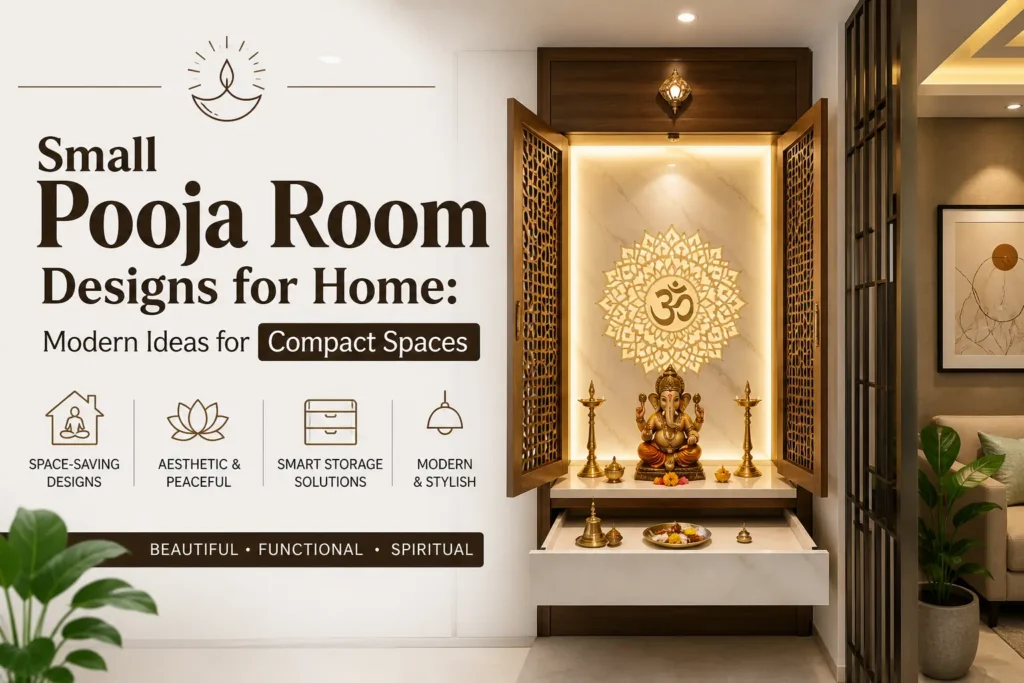
Creating a peaceful and spiritual corner within a modern home has become an essential part of interior design in India. Even in compact apartments and smaller homes, homeowners are now looking for stylish yet functional ways to include a dedicated prayer area. This growing demand has made Small Pooja Room Designs for Home increasingly popular among modern homeowners who want to combine spirituality with smart space planning. A well-designed pooja room is not only about aesthetics—it also creates a calming environment that brings positivity and balance into everyday living. Whether you live in a compact apartment, a 2BHK flat, or a spacious villa, thoughtful planning can help you create a beautiful pooja space without occupying too much room. In this guide, we’ll explore practical and modern Small Pooja Room Designs for Home, along with layout ideas, materials, lighting tips, storage solutions, and expert recommendations to help you design a peaceful corner that blends seamlessly with your interiors. Why Small Pooja Room Designs Are Trending in Modern Homes Modern homes are becoming more compact, especially in urban cities where efficient space utilization is important. Despite limited space, many families still prefer having a dedicated spiritual area within their homes. This is why small pooja room designs for homes are becoming increasingly popular in apartments and compact residences. Key Reasons Behind the Trend ✔ Better space optimization in smaller homes ✔ Minimal and clutter-free interior preferences ✔ Growing demand for multifunctional interiors ✔ Easy integration with modern home layouts ✔ Increased focus on peaceful and mindful living Today’s pooja rooms are designed not just for rituals but also to create a calm and visually balanced atmosphere within the home. Important Things to Consider Before Designing a Small Pooja Room Before selecting a design, it is important to understand the practical aspects of planning a compact pooja area. Proper placement, lighting, ventilation, and material selection play a major role in creating a functional and peaceful space. 1. Choose the Right Location The location of your pooja room significantly impacts its functionality and ambiance. Ideal Placement Options: Living room corners Hallway niches Empty wall sections Dedicated alcoves Under-stair spaces Many homeowners prefer placing the pooja unit in areas that receive natural light and remain relatively quiet throughout the day. 2. Focus on Ventilation and Lighting Lighting is one of the most important aspects of modern small pooja room designs for home. Proper lighting enhances the spiritual atmosphere and makes the area feel more spacious. Recommended Lighting Options: Warm LED strip lighting Hanging pendant lights Backlit panels Soft ceiling spotlights Decorative diyas and lamps Natural ventilation also helps maintain freshness and comfort within the space. 3. Keep the Design Minimal A compact pooja room should feel peaceful and uncluttered. Overdecorating small spaces can make them appear crowded and visually overwhelming.Minimal Design Tips: Use clean lines and simple textures Avoid excessive decorative elements Choose compact storage solutions Keep colour palettes soft and balanced Minimalist pooja rooms are easier to maintain and blend beautifully with modern interiors. Best Small Pooja Room Designs for Home Let’s explore some of the most practical and visually appealing pooja room ideas for compact homes. 1. Wall-Mounted Pooja Unit Design Wall-mounted mandir designs are among the most popular options for modern apartments. These units save floor space while creating a clean and elegant look.Features: Compact floating structure Built-in shelves for storage Decorative back panels Space-saving design Why It Works: Ideal for apartments and compact homes Keeps the floor area open Easy to integrate into living rooms This style works especially well for homeowners looking for modern small pooja room designs for home with a minimalist appearance. 2. Corner Pooja Room Design Unused corners can be transformed into beautiful spiritual spaces with smart planning and lighting.Best Features: Efficient use of dead space Compact layout Decorative partitions Floating shelves Suitable For: 2BHK apartments Studio apartments Compact urban homes Corner mandirs create a cozy and peaceful atmosphere without affecting the main layout of the house. 3. Wooden Mandir Design for Small Homes Wooden pooja units continue to remain timeless due to their warm and traditional appearance. Popular Wood Choices: Teak wood Plywood with laminate finish Engineered wood Oak finish textures Advantages: Elegant and traditional look Durable and long-lasting Matches both classic and modern interiors Wooden textures combined with soft lighting create a calm and inviting pooja space. 4. Glass Partition Pooja Room Design Glass partitions are ideal for creating a separate pooja area without making the room feel smaller.Design Benefits: Creates openness Allows natural light flow Modern and premium appearance Easy maintenance Frosted or patterned glass is commonly used for privacy while maintaining elegance. 5. Pooja Room with Storage Modern homeowners often prefer pooja units with built-in storage for organizing essentials efficiently.Storage Ideas: Drawers for pooja items Floating cabinets Hidden compartments Pull-out trays Why It’s Practical: Keeps the area clutter-free Improves organization Maximizes usability in compact homes This is one of the most functional small pooja room design ideas for home for families who perform daily rituals. 6. Marble Pooja Room Design Marble pooja units create a luxurious and timeless appearance while maintaining simplicity.Common Features: White marble finish CNC-cut panels Soft backlighting Gold detailing Benefits: Premium appearance Easy maintenance Bright and peaceful atmosphere Marble pooja rooms work exceptionally well in modern luxury interiors. 7. Under-Stair Pooja Room Design The area beneath the staircase is often underutilized and can be transformed into a functional pooja space.Design Elements: Compact storage units Decorative panels Lighting integration Wooden or marble finishes Why Homeowners Prefer It: Smart use of available space Ideal for duplex homes Separate spiritual corner without extra room Best Colours for Small Pooja Rooms Colour selection plays an important role in creating a peaceful environment.Recommended Colours: White Beige Cream Light wood tones Soft gold accents These colours help the pooja area feel calm, spacious, and visually balanced. Lighting Ideas for Modern Pooja Rooms Lighting can completely transform the atmosphere of a pooja space. Recommended Lighting Techniques ✔ Warm LED LightingCreates a soft and spiritual ambiance. ✔
How to Choose the Right Interior Designer for Your Home

Choosing the right interior designer is one of the most important decisions when planning your home. A well-designed space is not just about looks—it’s about functionality, comfort, and how well it fits your lifestyle. Whether you’re building a new home or renovating an existing one, the right interior designer can transform your vision into a practical and visually appealing space. Why Hiring the Right Interior Designer Matters A professional interior designer helps you create a space that is both beautiful and functional. Their expertise ensures: Efficient space planning Better material selection Cost control and budget management Access to trusted vendors Smooth project execution Without proper guidance, small design mistakes can lead to long-term inconvenience and higher costs. Key Factors to Consider Before Hiring an Interior Designer 1. Understand Your Requirements Start by defining your needs clearly: Type of home (2BHK, 3BHK, villa, etc.) Preferred design style (modern, minimalist, luxury) Budget range Having clarity helps you find a designer who aligns with your expectations. 2. Review Portfolio and Past Projects A designer’s portfolio gives insight into their style, creativity, and experience.Look for: Variety in design styles Smart use of space Real project images Attention to detail A strong portfolio indicates reliability and consistency. 3. Evaluate Their Design Process A professional designer follows a structured approach: Requirement understanding Layout planning 3D design visualization Material selection Execution and supervision Working with experienced firms like Sarab Architects & Consultants (SAC) ensures a smooth and well-managed process. 4. Budget Transparency Clear pricing is essential to avoid surprises later.A good designer will: Provide detailed cost estimates Break down expenses clearly Suggest alternatives within budget Avoid hidden costs Always finalize the budget before starting the project. 5. Check Reviews and Client Feedback Client reviews help you understand the designer’s work quality and professionalism. Timely delivery Communication Work quality Client satisfaction Always finalize the budget before starting the project. 6. Communication and Compatibility Your designer should understand your vision and communicate effectively.Ask: Are they open to your ideas? Do they provide practical suggestions? Are they responsive? Good communication ensures better results. 7. Timeline and Project Management Timely completion is crucial. A professional designer will provide: Clear project timelines Regular updates On-site supervision Vendor coordination Common Mistakes to Avoid When Choosing an Interior Designer Selecting the right interior designer requires careful evaluation, as even small mistakes can lead to long-term dissatisfaction, budget overruns, or poorly executed designs. Many homeowners rush the decision-making process and overlook critical factors that directly impact the final outcome. To ensure a smooth and successful design experience, avoid the following common mistakes: ❌ Choosing Based on Price Alone Focusing only on the lowest quote can compromise quality, materials, and overall design execution. Always evaluate value, not just cost. ❌ Not Reviewing Previous Work Skipping portfolio checks can result in hiring a designer whose style or expertise doesn’t align with your vision and expectations. ❌ Ignoring Contract Details Overlooking agreements, timelines, and deliverables can lead to misunderstandings, hidden costs, and project delays. ❌ Lack of Clear Communication Poor communication can result in design mismatches and execution errors. Ensure your designer understands your requirements clearly. ❌ Following Trends Without Practicality Trendy designs may look appealing but might not suit your lifestyle or stand the test of time. Always prioritize functionality. Key Benefits of Hiring a Professional Interior Designer Working with a professional interior designer goes beyond just improving the visual appeal of your home. It ensures that every aspect of your space is thoughtfully planned, efficiently executed, and aligned with your lifestyle and long-term needs. With the right expertise, you can avoid costly mistakes and achieve a well-balanced, functional living environment. Optimized space utilization High-quality finishes Increased property value Stress-free execution Personalized design solutions Spotlight: Interior Design in the Tricity Region In regions like Chandigarh, Mohali, and Panchkula, interior design has evolved significantly with a focus on modern, functional living. One of the notable names in this space is Sarab Marwah, known for creating practical yet elegant interiors. Through Sarab Architects & Consultants (SAC), the approach focuses on: Smart space planning Clean and modern aesthetics Functional layouts tailored to lifestyle This reflects the growing demand for interiors that are not just visually appealing but also highly livable. How to Make the Final Decision After shortlisting a few interior designers, the final step is to evaluate them carefully to ensure you make the right choice. This decision will directly impact the quality, functionality, and overall experience of your home design project, so it’s important to look beyond just pricing or visual appeal.Before finalizing your interior designer, compare the following key aspects: Portfolio Pricing Experience Communication Design approach Choose someone who understands your needs and can deliver long-term value. Final Thoughts Choosing the right interior designer is about finding someone who can balance design, functionality, and your personal style. With the right expert, you can create a home that is not only beautiful but also comfortable and practical for everyday living. If you’re planning to design or renovate your home, consulting an expert interior designer can help you achieve the perfect balance of style and functionality. Call Now WhatsApp Book Free Consultation
3 BHK Apartment Floor Plan Cost in Chandigarh (2026): Layout Ideas & Design Guide
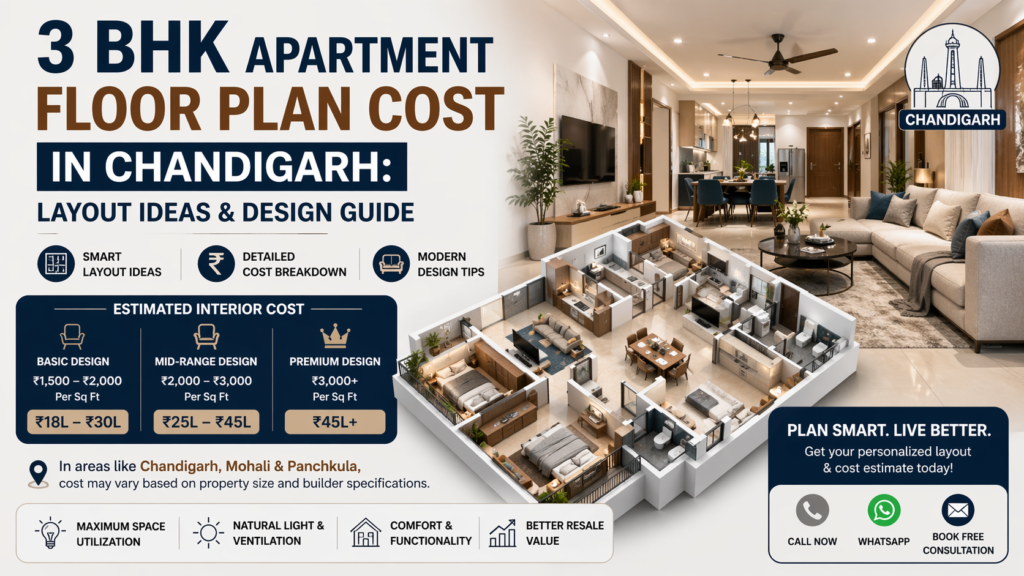
Designing a 3 BHK apartment is an exciting journey—but it also comes with important decisions around layout, space planning, and overall cost. In a growing city like Chandigarh, where modern living meets smart urban planning, homeowners are increasingly looking for efficient 3 BHK apartment floor plans that balance comfort, functionality, and aesthetics. Whether you’re building a new home or redesigning your existing space, understanding the cost and layout possibilities of a 3 BHK apartment can help you make smarter decisions and avoid unnecessary expenses. Call Now WhatsApp What is a 3 BHK Apartment Floor Plan? A 3 BHK apartment floor plan typically includes: 3 Bedrooms 1 Living Room 1 Kitchen 2–3 Bathrooms Dining Area (optional/open layout) The goal of a well-designed floor plan is to ensure: Smooth movement between spaces Maximum natural light and ventilation Proper privacy for family members Why 3 BHK Apartments Are Popular in Chandigarh In cities like Chandigarh and nearby areas like Mohali and Panchkula, 3 BHK apartments are in high demand. Key Reasons: Ideal for nuclear and growing families Extra room for guests, office, or kids Better resale value More flexibility in design and interiors Average 3 BHK Apartment Floor Plan Cost in Chandigarh The cost of a 3 BHK apartment floor plan in Chandigarh typically ranges between ₹1,500 to ₹3,000+ per sq ft depending on design quality, materials, and customization. A complete 3 BHK interior can cost between ₹18 lakh to ₹45 lakh or more. The cost of designing and executing a 3 BHK apartment floor plan depends on multiple factors such as size, materials, finishes, and customization. In areas like Chandigarh, Mohali, and Panchkula, the cost may vary based on property size and builder specifications. Average Interior Design Cost in Chandigarh Category Cost per sq ft Total(1200-1500 sq ft) Basic Design ₹1,500 – ₹2,000 ₹18L – ₹30L Mid-Range ₹2,000 – ₹3,000 ₹25L – ₹45L Premium ₹3,000+ ₹45L+ What Affects the Cost? Quality of materials (laminates, wood, finishes) Modular kitchen and wardrobe design Lighting and electrical setup False ceiling and décor elements Custom furniture and storage Tip: Always plan your budget with a 10–15% buffer for unexpected costs. Cost Breakdown by Area (Detailed Insight for Better Planning) Understanding how your budget is distributed across different areas of a 3 BHK apartment helps you plan more effectively and avoid overspending. Each space has its own design requirements, materials, and level of customization, which directly impacts the overall cost. Estimated Cost Distribution Living Room (₹3L – ₹8L) The living room is the focal point of your home, where design and aesthetics matter the most. Costs typically include TV unit design, false ceiling, lighting, wall panels, and premium finishes. A well-designed living area enhances both functionality and first impressions. Kitchen (₹2L – ₹6L)The kitchen is one of the most functional spaces and requires smart planning. Expenses cover modular kitchen setup, cabinets, countertops, hardware, and appliances. The final cost depends on material quality and storage customization. Bedrooms (₹3L – ₹10L)Bedroom costs vary based on the number of rooms and design preferences. This includes bed design, side tables, wall treatments, lighting, and décor. Master bedrooms with premium finishes or additional features will fall on the higher end. Wardrobes (₹2L – ₹5L)Storage plays a crucial role in maintaining a clutter-free home. Wardrobe costs include materials, finishes, internal fittings, and sliding or hinged mechanisms. Custom-designed wardrobes optimize space and improve usability. Washrooms (₹1.5L – ₹4L per bathroom)Washroom design involves both functionality and durability. Costs include sanitary ware, wall and floor tiles, fittings, shower systems, vanity units, and waterproofing. Premium fixtures, designer tiles, and glass partitions can increase the overall cost, while smart planning ensures long-term maintenance and comfort. Best 3 BHK Apartment Floor Plan Layout Ideas Choosing the right layout can completely transform your living experience. Here are some popular and practical layout ideas: 1. Classic 3 BHK Layout (Balanced Design) This is the most common and functional layout. Includes: Separate living room Dedicated dining space 3 well-sized bedrooms 2–3 bathrooms Why It Works: Perfect balance of privacy and openness Suitable for most families 2. Open Layout 3 BHK (Modern Concept) An open-plan design connects the living, dining, and kitchen areas. Benefits: Makes the home feel larger Better natural light flow Ideal for modern lifestyles 3. Compact 3 BHK Layout (Space-Saving) Perfect for apartments with limited space. Key Features: Smaller but efficient rooms Multi-functional furniture Minimalistic design 4. Luxury 3 BHK Layout (Premium Living) Designed for comfort and elegance. Includes: Master bedroom with attached bathroom Walk-in wardrobe Spacious living and dining Premium finishes How to Choose the Right 3 BHK Floor Plan Selecting the perfect layout is not just about design—it’s about lifestyle. Consider These Factors: ✅Family Size: More members = need for better space division✅Daily Routine: Work-from-home needs? Kids? Guests?✅Storage Requirements: Wardrobes, cabinets, utility areas✅Future Planning: Expandability and flexibility✅Lighting & Ventilation: Natural light is essential Many homeowners prefer working with professionals to ensure the layout aligns with their lifestyle, furniture, and long-term needs. | For expert guidance, you can also consult a professional interior designer to plan your layout effectively. Book Free Consultation Smart Design Tips to Maximize Your 3 BHK Space Even a compact apartment can feel spacious with the right design approach. Key Tips: Use light colours to create openness Opt for sliding doors to save space Add mirrors to enhance depth Choose multi-functional furniture Use built-in storage solutions These small changes can make a big difference in both comfort and aesthetics. 2BHK vs 3BHK: Which One Should You Choose? While 2BHK is budget-friendly, a 3 BHK offers more flexibility.Choose 3 BHK If: You have a growing family Need a home office Want long-term investment Choose 2 BHK If: Budget is limited You prefer larger rooms Common Mistakes to Avoid Avoid these errors while planning your 3 BHK apartment: ❌ Poor space planning❌ Ignoring storage needs❌ Overloading with furniture❌ Not considering lighting❌ Following trends blindly Final Thoughts: Plan Your 3 BHK Smartly A well-designed 3 BHK apartment floor plan can significantly improve your lifestyle by offering comfort,
Affordable 1000 Sq Ft House Design Plans with Space-Saving
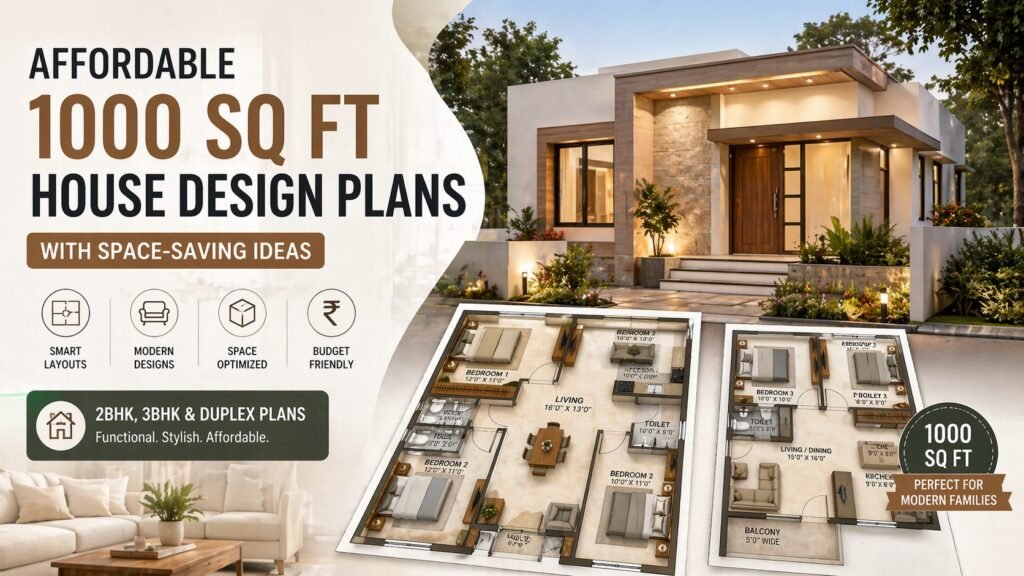
Designing a home within a limited area doesn’t mean compromising on comfort or style. In fact, a well-planned 1000 Sq Ft House Design can offer everything you need—functional spaces, modern aesthetics, and efficient layouts that maximize every inch. With rising property costs and changing lifestyles, compact homes are becoming increasingly popular among homeowners. Whether you’re planning a cozy 2BHK or exploring a smart 3BHK layout, choosing the right 1000 Sq Ft Design plans can help you create a home that feels spacious, organized, and visually appealing. Plan Your 1000 Sq Ft Dream Home Today Call Now WhatsApp Why Choose a 1000 Sq Ft House Design? A 1000 Sq Ft House Design strikes the perfect balance between affordability and functionality. It is ideal for small families, working professionals, and even as an investment property. Key Benefits: Cost-effective construction and maintenance Easy to clean and manage Efficient use of space Lower utility costs Faster construction timelines A thoughtfully designed 1000 square feet house plan ensures that no space is wasted while maintaining comfort and usability. Key Elements of a Smart 1000 Sq Ft Design Before diving into layout options, it’s important to understand what makes a compact home design successful. 1. Open Layout Concept An open floor plan connects the living, dining, and kitchen areas, making the home feel larger and more breathable. 2. Multi-Functional Spaces Furniture and spaces should serve multiple purposes—for example: Sofa-cum-beds Foldable dining tables Storage beds 3. Natural Light & Ventilation Large windows and proper ventilation can make even a small home feel spacious and fresh. 4. Smart Storage Solutions Built-in wardrobes, wall-mounted shelves, and under-bed storage help keep the space clutter-free. Need a Custom 1000 Sq Ft House Design Plan? Get Free Consultation Best 1000 Sq Ft House Design Plans Let’s explore some of the most practical and stylish 1000 Sq Ft Design plans that suit different needs. 1. 2BHK Compact Layout (Most Popular Choice) A 2BHK 1000 square feet house plan is perfect for small families. Layout Includes: Living room Kitchen with dining space 2 bedrooms 2 bathrooms Why It Works: Balanced distribution of space Privacy for family members Ideal for nuclear families 2. Modern 3BHK Smart Layout Yes, a 3BHK is possible even in a compact space with the right planning. Layout Includes: Compact living area Modular kitchen 3 small bedrooms 2 bathrooms Space-Saving Tips: Use sliding doors Keep furniture minimal Opt for wall-mounted storage 3. Open Studio-Inspired Design Features: Combined living + dining + kitchen 1 master bedroom Optional workspace Benefits: Feels larger than actual size Great for couples or individuals Stylish and modern look 4. Duplex 1000 Sq Ft House Plan Layout Idea: Ground Floor: Living room Kitchen Bathroom First Floor: 2 bedrooms Bathroom Advantages: Better space utilization Separation of private and common areas Space-Saving Ideas for 1000 Sq Ft Homes A smart 1000 Sq Ft House Design is all about maximizing space without compromising comfort. With the right approach, even a compact home can feel open, functional, and stylish. Here are some practical space-saving ideas: 1. Use Vertical Space Efficiently: Make the most of your walls by adding tall cabinets, shelves, and loft storage. This helps free up floor space while increasing storage capacity. 2. Choose Sliding Doors: Sliding doors save space compared to traditional hinged doors and give your home a modern, clean look—perfect for bedrooms and wardrobes. 3. Use Mirrors for a Spacious Feel: Mirrors reflect light and create an illusion of a larger room. Placing them strategically can make small spaces feel brighter and more open. 4. Opt for Built-In Furniture: Custom-built furniture fits perfectly into your layout, reducing wasted space and giving your home a neat, seamless appearance. 5. Use Multi-Functional Furniture: Choose furniture like sofa-cum-beds, foldable tables, or storage beds to maximize usability without adding clutter. Maximize Every Inch of Your Home with Expert Planning Let our designers create a smart, space-efficient layout for you. Call Now WhatsApp 2BHK vs 3BHK: Which One is Better? Choosing between a 2BHK and 3BHK depends on your needs. Both options can be optimized within a 1000 Sq Ft House Design, depending on smart planning. 2BHK is Best If: You have a small family You prefer larger rooms You want a budget-friendly option 3BHK is Ideal If: You need an extra room (guest/workspace) You have a growing family You prioritize functionality over room size Design Tips to Make Your Home Look Bigger Even a compact 1000 square feet house plan can feel spacious with the right design techniques. ✔ Use Light Colours Whites, creams, and pastels make rooms look larger. ✔ Keep Furniture Minimal Avoid overcrowding with heavy furniture. ✔ Add Proper Lighting Layered lighting enhances depth and ambiance. ✔ Choose Open Shelving Makes the space look airy and accessible. ✔ Use Glass Elements Glass partitions and doors create openness. Common Mistakes to Avoid While designing your 1000 Sq Ft House Design, avoid these mistakes: ❌ Overloading the space with furniture❌ Ignoring storage needs❌ Poor lighting planning❌ Using dark colours excessively❌ Not planning layout properly Estimated Cost for 1000 Sq Ft House Design The cost of a 1000 Sq Ft House Design can vary significantly based on factors such as material quality, location, labor charges, and the level of design customization. Whether you are planning a basic structure or a premium home with modern interiors, having a clear budget helps in better decision-making. Average Cost in India Basic Construction (₹1,500 – ₹2,000 per sq ft): Suitable for simple layouts with standard materials, basic finishes, and minimal design elements. Ideal for budget-conscious homeowners. Mid-Range Design (₹2,000 – ₹3,000 per sq ft): Includes better quality materials, modular kitchen setups, improved flooring, and well-planned interiors. This is the most preferred option for modern homes. Premium Design (₹3,000+ per sq ft): High-end finishes, custom furniture, luxury materials, smart home features, and detailed interior design solutions. Best for those looking for a sophisticated and elegant living space. Get Accurate Cost Estimation for Your Home Know the exact budget for your 1000 sq ft house before
Top 10 Bedroom Wall Colour Combination You’ll Love
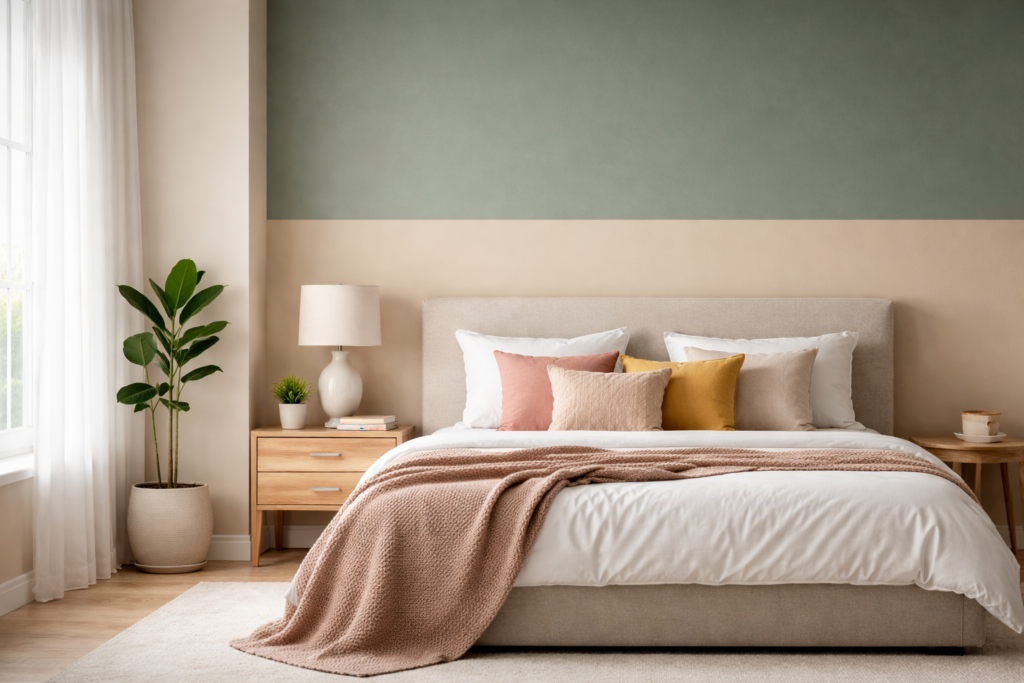
Your bedroom is more than just a place to sleep—it’s your personal retreat, a space where comfort meets style. Choosing the right bedroom wall colour combination plays a crucial role in setting the mood, enhancing aesthetics, and creating a relaxing environment. The perfect room colour can make your bedroom feel bigger, brighter, cozier, or more luxurious. Whether you prefer subtle tones or bold contrasts, the right combination can completely transform your space. From soft neutrals to vibrant accents and soothing romantic bedroom colors, this guide explores the best colour combination for bedroom interiors that suit every style. Why Bedroom Wall Colour Matters Colors have a powerful psychological impact. The right bedroom wall colour combination can: Improve sleep quality Create a calming atmosphere Reflect your personality Enhance natural light Make small spaces appear larger Choosing a normal bedroom colour like soft beige or pastel shades can offer timeless elegance, while bold combinations add character and uniqueness. Book your personalized design consultation today! Call Now WhatsApp Top 10 Bedroom Wall Colour Combinations 1. Soft White & Warm Beige A classic bedroom wall colour combination that never goes out of style. White walls paired with beige tones create a clean, airy, and sophisticated space. This is an ideal romantic bedroom colour choice for minimal and modern homes. 2. Grey & Mustard Yellow Grey adds depth, while mustard yellow introduces warmth and vibrancy. This trendy room colour pairing is perfect for those who want a modern yet energetic vibe. It’s considered one of the best colour combinations for bedroom designs today. 3. Navy Blue & White This bold yet balanced combination creates a peaceful and elegant atmosphere. Navy blue walls with white accents are among the most popular romantic bedroom colors, ideal for a cozy and calming environment. 4. Pastel Pink & Light Grey Soft and soothing, this bedroom wall colour combination works beautifully in contemporary interiors. It creates a gentle, welcoming feel without overpowering the space. 5. Olive Green & Cream Inspired by nature, this room colour combination brings freshness and warmth into your bedroom. Olive green adds richness, while cream keeps the space light and balanced. 6. Black & Gold Accents If you want a luxurious feel, this is the best colour combination for bedroom spaces with a bold personality. Black walls with gold décor elements create a premium and elegant ambiance. 7. Sky Blue & White A refreshing and calming normal bedroom colour, this combination makes your room feel spacious and airy. Perfect for smaller bedrooms or spaces with limited natural light. 8. Lavender & Off-White Lavender is known for its calming effect, making it one of the most loved romantic bedroom colors. Paired with off-white, it creates a dreamy and peaceful environment. 9. Terracotta & Beige Earthy and warm, this bedroom wall colour combination adds depth and comfort. It’s perfect for those who prefer natural tones and a cozy interior style. 10. Charcoal Grey & Blush Pink A modern room colour mix that balances boldness with softness. Charcoal grey adds drama, while blush pink softens the overall look, creating a stylish and contemporary bedroom. How to Choose the Perfect Bedroom Wall Colour Combination Selecting the right bedroom wall colour combination can feel overwhelming, but a few simple guidelines can help you make the best choice. Consider Room Size : Lighter shades make small rooms appear larger and more open, while darker tones add depth to spacious bedrooms. A normal bedroom colour like soft white or pastel shades works well in compact spaces. Understand Lighting: Natural and artificial lighting can significantly affect how colors look. Bright rooms can handle darker shades, while dim spaces benefit from lighter room colour combinations. Match Your Style: Your bedroom should reflect your personality. If you love calm and relaxing spaces, go for romantic bedroom colors like lavender, pastel pink, or soft blue. For a modern look, try bold contrasts. Use the 60-30-10 Rule: This balance helps create a cohesive and visually appealing bedroom wall colour combination. 60% dominant color (walls) 30% secondary color (furniture) 10% accent color (decor) Test Before Finalizing: Always test paint samples on your wall before making a final decision. Colors may look different depending on lighting and surroundings. Focus on Mood: Decide how you want your bedroom to feel—calm, cozy, luxurious, or vibrant. This will guide you toward the best colour combination for the bedroom that suits your needs. Modern Trends in Bedroom Wall Colours Interior design trends are constantly evolving. Here are some popular trends to consider: Minimalist Neutrals Soft beige, white, and grey tones create a clean and clutter-free environment.Nature-Inspired Shades Green, terracotta, and earthy tones bring warmth and freshness. Bold Accent Walls Using one dark or vibrant wall adds character without overwhelming the space. Soft PastelsPastels remain a favorite for creating calm and romantic bedroom colors. Common Mistakes to Avoid Using too many colors in one space Ignoring lighting conditions Choosing trends over personal comfort Not testing colors before painting Overusing dark shades in small rooms Avoiding these mistakes ensures your bedroom wall colour combination looks balanced and timeless. Conclusion Choosing the right bedroom wall colour combination is essential for creating a space that feels comfortable, stylish, and personal. Whether you prefer a normal bedroom colour, bold contrasts, or soothing romantic bedroom colors, the right palette can completely transform your room. Take inspiration from these ideas and select the best colour combination for the bedroom that reflects your style and enhances your everyday living experience. With thoughtful planning and the right choices, your bedroom can become the perfect blend of beauty and comfort. Book Free Consultation
How to Choose the Perfect Normal Bedroom Colour for Your Home
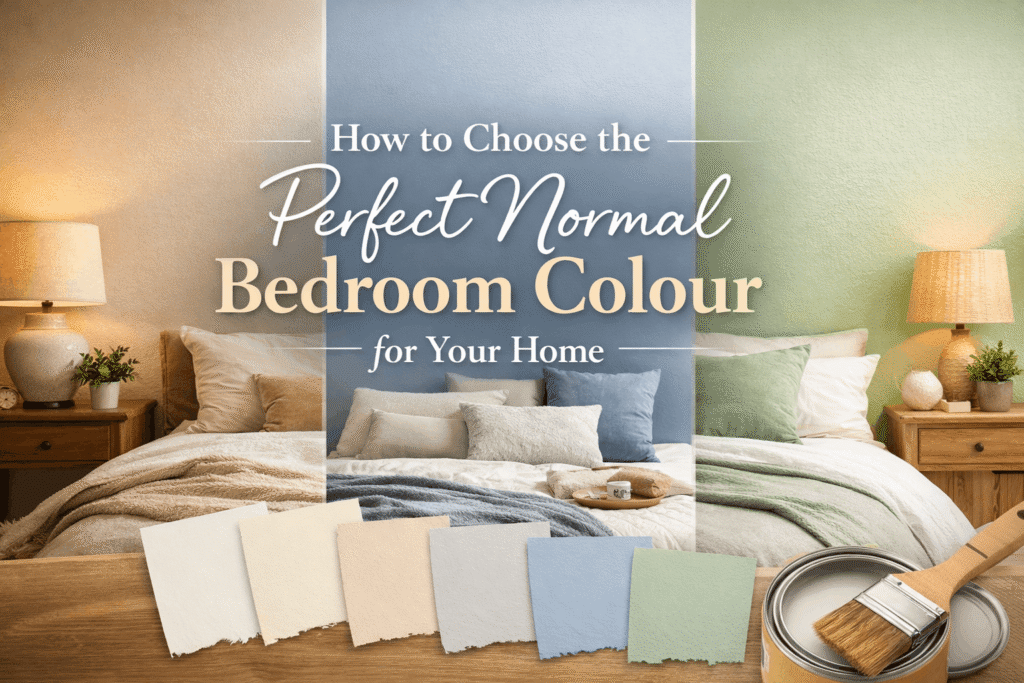
Choosing the right interior bedroom colour is one of the most important decisions when designing your personal space. Your bedroom is not just a place to sleep—it’s where you relax, recharge, and express your personality. The colour you choose directly impacts your mood, comfort, and overall experience. In this complete guide, we’ll help you understand how to select the perfect normal bedroom colour, explore trending ideas, and make the best choice for your home. What is the Best Normal Bedroom Colour? The best normal bedroom colour includes soft and neutral shades like white, beige, light grey, pastel blue, and soft green. These colours create a calm, relaxing environment, improve sleep quality, and work well with different interior styles. Choosing the right shade depends on your room size, lighting, and personal preference. A normal bedroom colour refers to shades that are: Soft and easy on the eyes Timeless and not overly bold Suitable for everyday living Versatile for different interior styles These colours are widely preferred because they create a comfortable and relaxing environment without overwhelming the space. Book your personalized design consultation today! Call Now WhatsApp Why Choosing the Right Bedroom Colour Matters The colour of your bedroom walls plays a crucial role in: Creating a calming atmosphere Improving sleep quality Enhancing room aesthetics Reflecting your personality Making the space look bigger or cozier A well-chosen normal bedroom colour creates harmony between furniture, lighting, and décor elements. Factors to Consider Before Choosing a Bedroom Colour 1. Room Size Small rooms: Use light colours like white, cream, or pastel shades to make the space feel bigger. Large rooms: You can experiment with darker tones for a cozy feel. 2. Natural Lighting Lighting significantly affects how a colour appears. Bright rooms: Cooler tones like grey or blue work well Low-light rooms: Warm tones like beige or soft yellow brighten the space 3. Room Direction North-facing rooms: Go for warm shades South-facing rooms: Cooler tones balance brightness 4. Furniture & Décor Your normal bedroom colour should complement: Bed design Wardrobes Curtains Flooring 5. Personal Preference At the end of the day, your bedroom should reflect your personality. Choose a colour that makes you feel comfortable and happy. 5 Best Normal Bedroom Colour Ideas Choosing the right neutral bedroom colour can instantly enhance the look and feel of your space. Here are some timeless and popular colour ideas that create a perfect balance of comfort, style, and relaxation. Here are some of the most popular and timeless options: 1. Soft White A classic and clean choice, white creates a peaceful and airy environment. Why choose it: Makes rooms look bigger Works with any décor Ideal for minimal interiors 2. Warm Beige Beige is one of the most popular normal bedroom colour options. Benefits: Adds warmth Creates a cozy vibe Pairs well with wood furniture 3. Light Grey Modern and stylish, grey is perfect for contemporary homes. Best for: Minimal designs Neutral colour palettes Urban interiors 4. Pastel Blue A calming and relaxing shade that promotes better sleep.Why it works: Reduces stress Feels fresh and soothing Ideal for all age groups 5. Soft Pink Subtle pink tones create a gentle and welcoming environment. Modern and cozy bedrooms Romantic interiors Elegant styling How to Choose the Perfect Normal Bedroom Colour Selecting the master bedroom colour is not just about appearance—it’s about creating a space that feels comfortable, balanced, and truly yours. A well-chosen colour can enhance mood, improve relaxation, and elevate the overall design of your bedroom. Choosing the perfect shade becomes easier when you follow a structured approach that considers your space, lighting, and personal style. Step 1: Identify the Mood You Want Ask yourself: Do you want a calm space? → Go for blues or neutrals Want warmth? → Choose beige or cream Prefer elegance? → Grey or soft pink works best Step 2: Test Before Finalizing Never rely only on a paint catalog. Always test samples on your walls and observe them at different times of the day. Natural and artificial lighting can significantly change how a colour appears. Book your personalized design consultation today! Call Now WhatsApp Many homeowners prefer working with experienced interior designers to ensure the colour scheme perfectly matches furniture, lighting, and layout. Step 3: Consider Accent Walls Instead of painting the entire room in one colour, create an accent wall: Adds depth Enhances design Keeps balance Step 4: Match with Furniture Ensure your normal bedroom colour blends well with: Bed frames Wardrobes Side tables Step 5: Think Long-Term While trendy colours may look appealing today, they can quickly go out of style. Choosing neutral and timeless shades ensures your bedroom remains elegant and relevant for years. A well-selected best bedroom colour will continue to feel fresh, allowing you to update décor elements without needing frequent repainting. Step 6: Consider Room Size and Space Choose shades that enhance the sense of space: Light colours for small rooms Dark tones for larger spaces Creates openness or coziness Step 7: Understand Lighting Conditions Select shades based on available light: Natural light supports cooler tones Low light needs warmer shades Brightens or softens the room Step 8: Keep the Colour Scheme Balanced A balanced palette ensures your bedroom looks clean and well-designed without feeling overwhelming: Avoid too many colours Follow the 60-30-10 rule Maintain visual harmony Keep the space clutter-free Common Mistakes to Avoid Avoid these mistakes while choosing your bedroom colour: Using very dark colours in small rooms Ignoring lighting conditions Following trends blindly Not testing samples Overusing bold colours Not matching colours with furniture and décor Using too many colour combinations in one space Ignoring the overall mood and purpose of the bedroom Best Colour Combinations for a Balanced Look Instead of a single shade, you can combine colours: White + Beige → Clean & warm Grey + White → Modern & elegant Blue + Cream → Calm & cozy Green + Wood tones → Natural & fresh These combinations help create a balanced and stylish bedroom. Book your